India’s Festivals and Fairs: A Traveler’s Guide to Cultural Celebrations
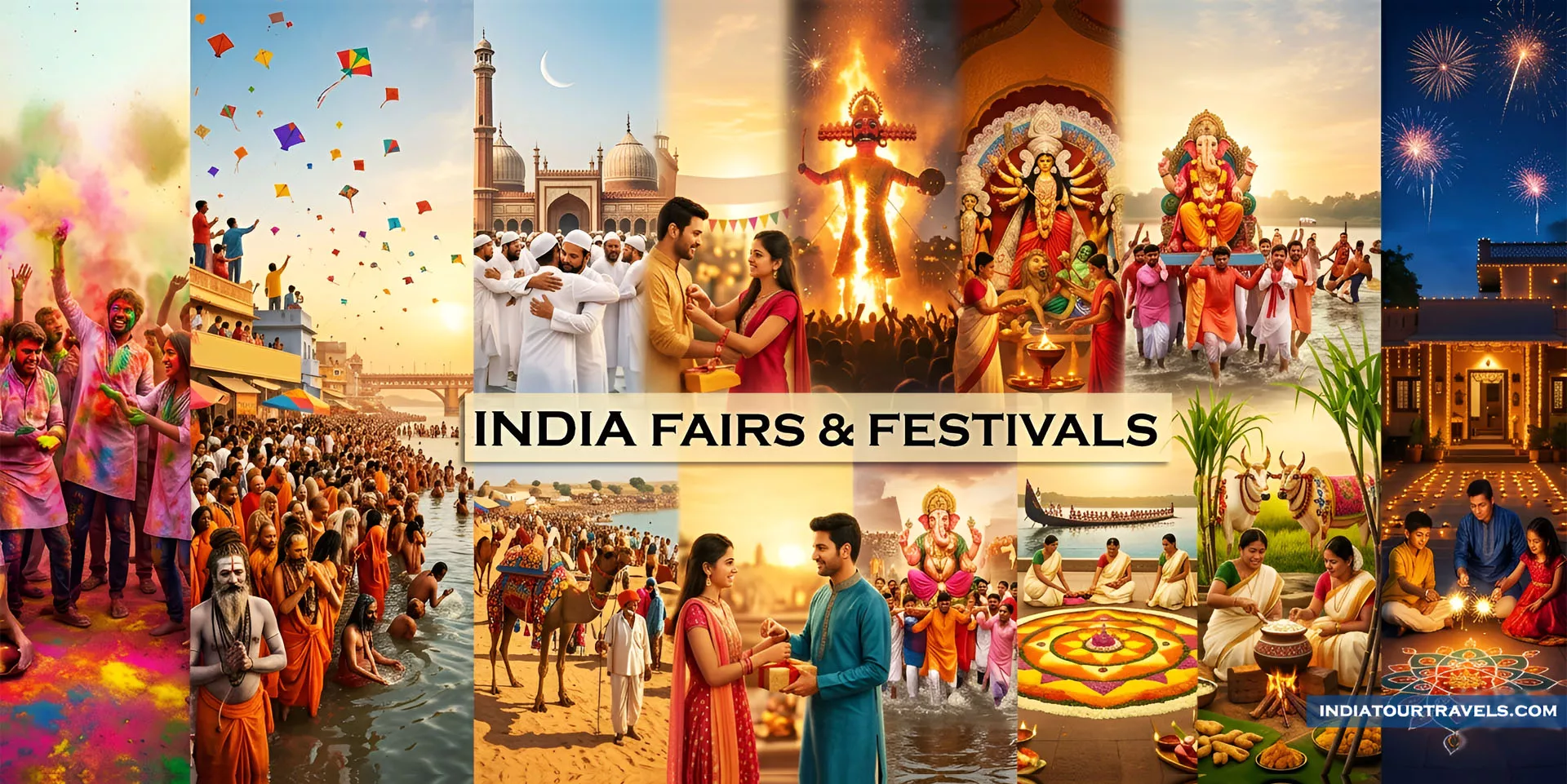
India pulses with festivals and fairs that weave together spirituality, tradition, and community joy. These events, from nationwide spectacles like Diwali to regional gems like Pushkar Camel Fair, offer travelers an authentic glimpse into the country’s diverse heritage. Whether you’re chasing vibrant colors, sacred rituals, or lively markets, timing your trip around these celebrations transforms a standard itinerary into an unforgettable cultural immersion.
Why Experience India’s Festivals?
India’s calendar brims with over 30 major festivals annually, each tied to seasons, myths, or harvests. They draw millions, blending ancient rituals with modern flair—think Holi’s color explosions in Mathura or Durga Puja’s artistic pandals in Kolkata. For 2026 travelers, these events provide prime opportunities for photography, local interactions, and offbeat experiences like snake boat races in Kerala.
Planning tip: Check the lunar calendar in advance, as many Indian festivals change dates each year. Book accommodations early, especially in popular destinations like Jaipur during Diwali or Goa during Carnival.
Major Nationwide Festivals
Diwali: Festival of Lights
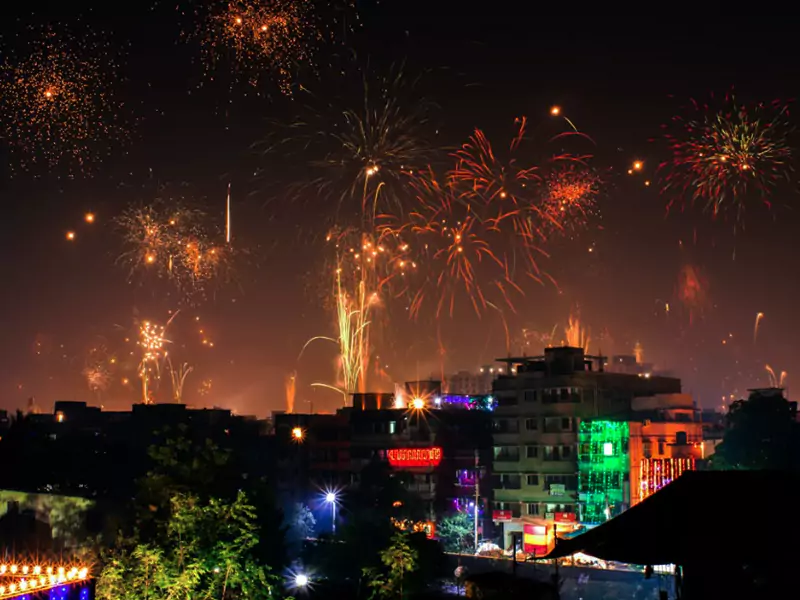
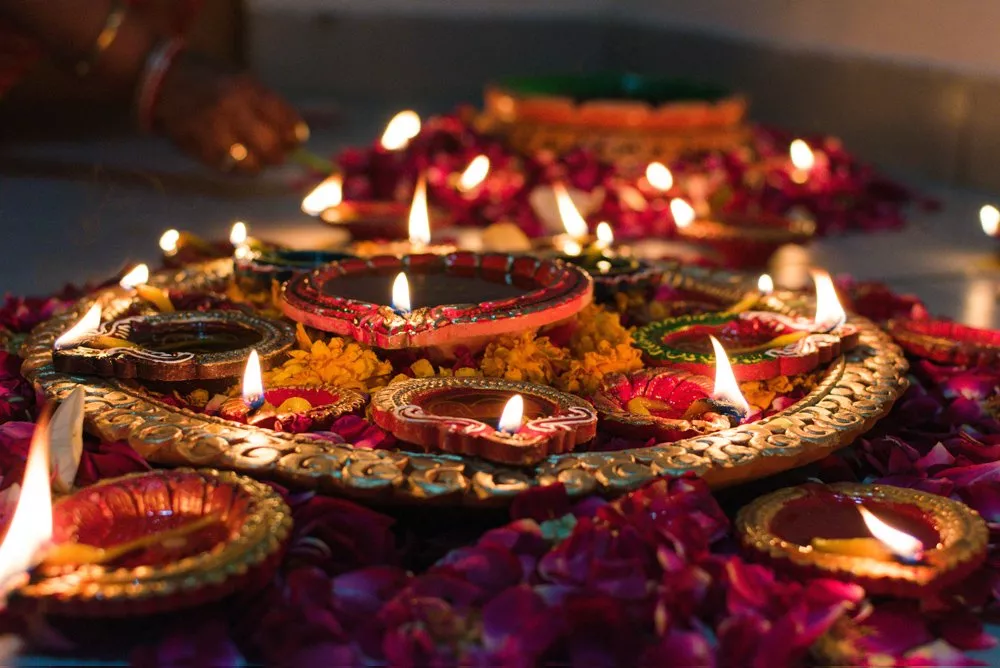
Diwali illuminates India in October or November, symbolizing good’s triumph over evil through Lord Rama’s return to Ayodhya. Families clean homes, craft rangoli patterns, light diyas, and share sweets like laddoos.
- Key rituals: Lakshmi Puja at midnight, fireworks, and feasting on vegetarian thalis.
- Top spots: Jaipur’s glowing markets and forts; Delhi’s bustling bazaars like Chandni Chowk.
- Travel hack: Visit Amer Fort in Jaipur for royal light shows—combine with a luxury car rental for seamless exploration.
Expect crowded streets but vibrant energy. In 2026, it falls around late October; pair with a Rajasthan road trip.
Holi: Festival of Colors
Holi kicks off spring in February or March with Holika bonfires, followed by gulal powder fights and bhang-infused treats. It celebrates Krishna’s playful legends and unity across castes.
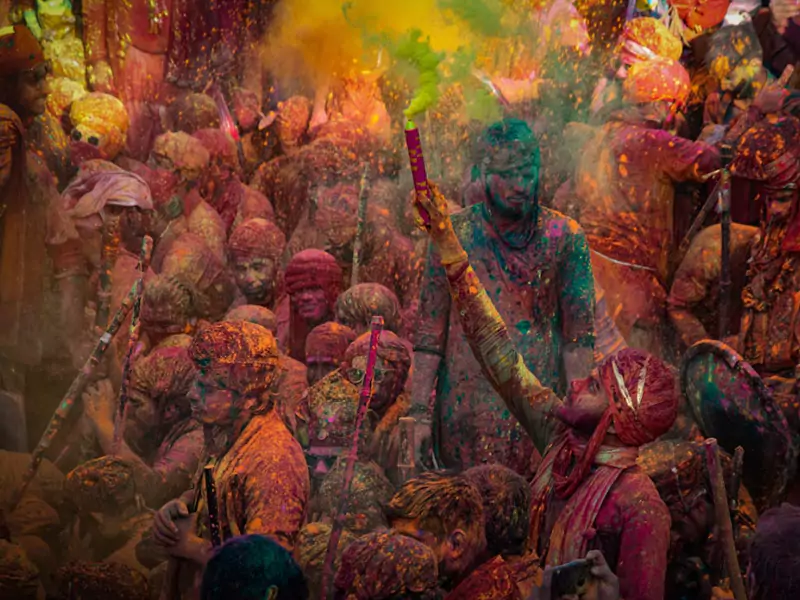
- Unique twist: Lathmar Holi in Barsana, where women chase men with sticks.
- Best places: Mathura-Vrindavan for temple processions; Pushkar for desert vibes.
- Pro tip: Wear old clothes, use organic colors, and stay hydrated—festivities span a week in Braj Bhoomi
Dussehra (Vijaya Dashami)
Marking Rama’s victory over Ravana in September-October, Dussehra features Ramlila plays and massive effigy burnings. In eastern India, it merges with Durga Puja.
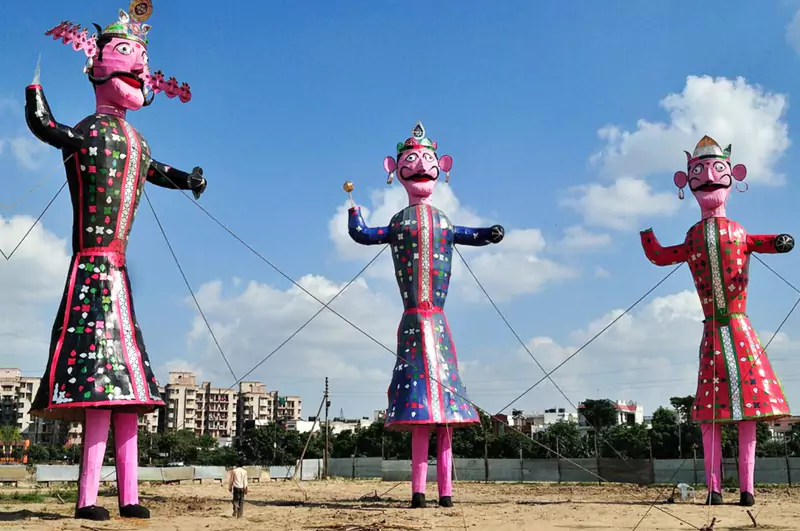
- Highlights: 10-story Ravana fireworks in Delhi or Kullu Valley processions.
- Insider advice: Attend in Ramnagar (near Varanasi) for month-long enactments; book riverside stays.
Navratri and Durga Puja
Nine nights honoring Goddess Durga (September-October) explode into Garba dances in Gujarat and Kolkata’s pandal-hopping. Idols depict Durga slaying Mahishasura.
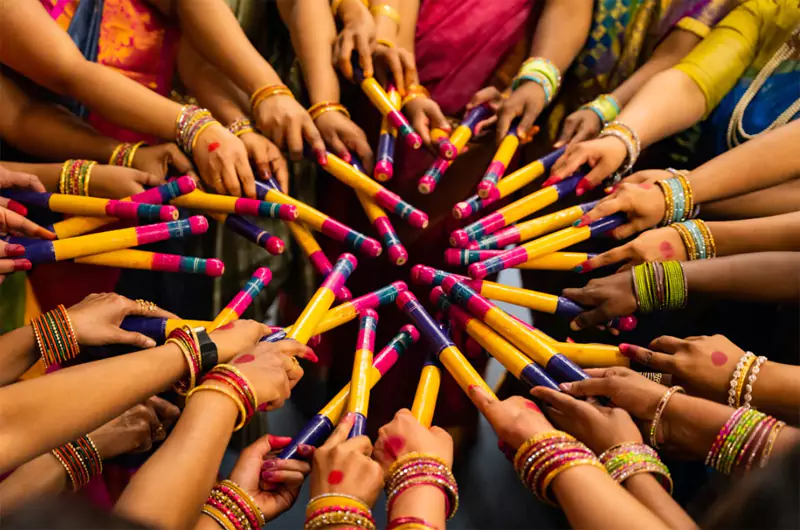
- Regional flavors: Dandiya sticks in Ahmedabad; silver filigree pandals in Kumartuli.
- 2026 dates: Late September—arrive early for artist workshops.
Regional Harvest and Cultural Festivals
Pongal: Tamil Nadu’s Bounty Celebration
January 15-18 honors the sun god with boiling fresh rice pudding (pongal). Days include cattle worship and Jallikattu bull sports.
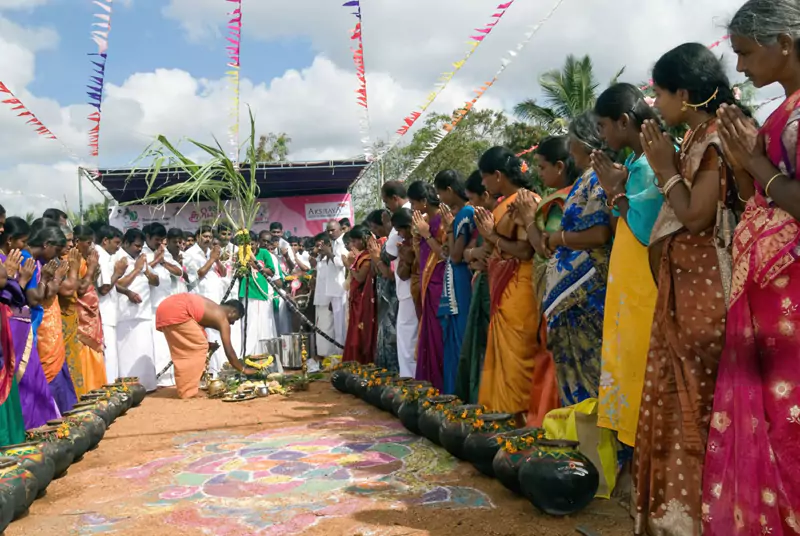
- Must-sees: Madurai’s kolam designs; Chettinad village feasts.
- Pair with: Temple drives from Chennai—ideal for luxury tours.
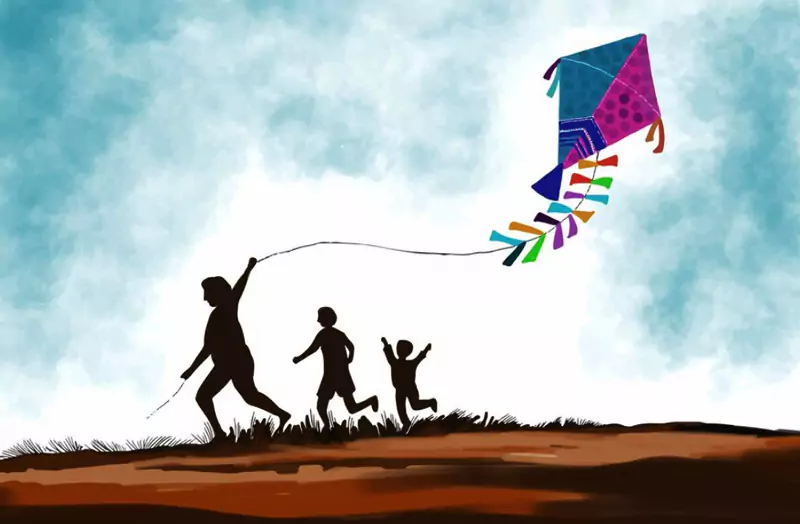
Similar vibes in Makar Sankranti’s kite battles across North India (January 14).
Onam: Kerala’s 10-Day Extravaganza
August-September welcomes King Mahabali with pookalam flower rugs, Onasadya feasts on banana leaves, and snake boat regattas.
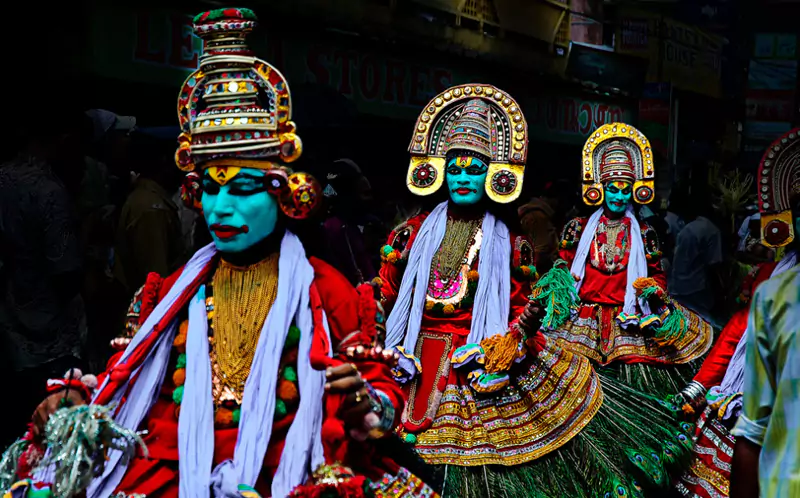
- Highlights: Aranmula boat races; Kathakali performances.
- Travel tip: Stay in Alleppey houseboats; avoid monsoon peaks.
Raksha Bandhan: Sibling Ties
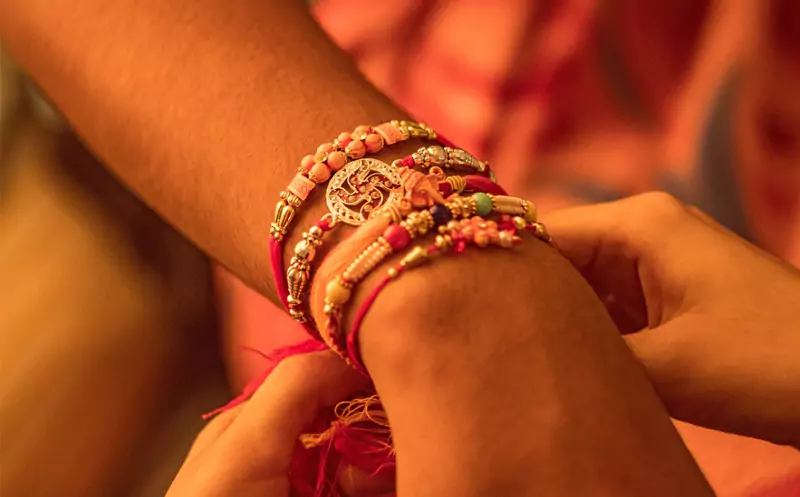
July-August sees sisters tying rakhis on brothers’ wrists amid sweet exchanges. Northern markets overflow with threads and tilak kits.
Baisakhi and Gurpurab: Punjab’s Sikh Spirit
April’s Baisakhi harvest brings Bhangra in Amritsar’s Golden Temple. November’s Gurpurab (Guru Nanak Jayanti) features akhand paths and langars.
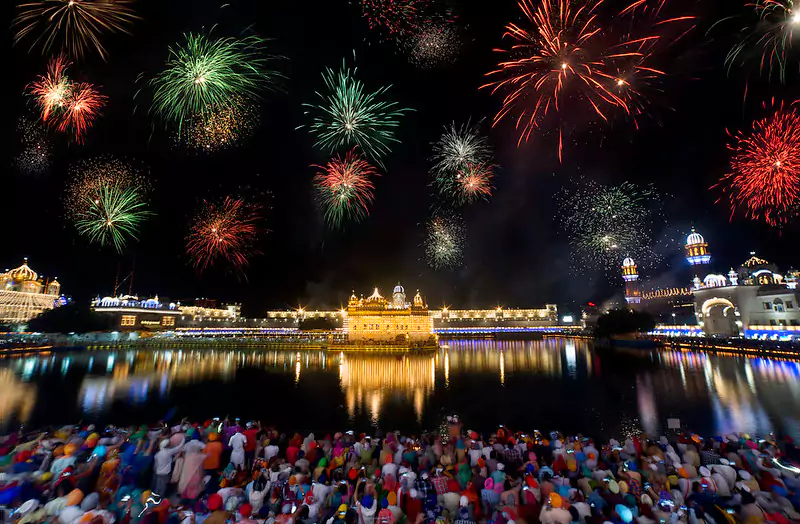
Do this: Join sewa (service) at gurudwaras—free community meals foster connections.
Religious and Spiritual Festivals
Eid-ul-Fitr and Eid al-Adha
Post-Ramadan (dates vary), Eid-ul-Fitr bursts with sheer khurma and mosque prayers in Lucknow or Hyderabad. Bakrid (Eid al-Adha) involves qurbani sharing in Old Delhi.
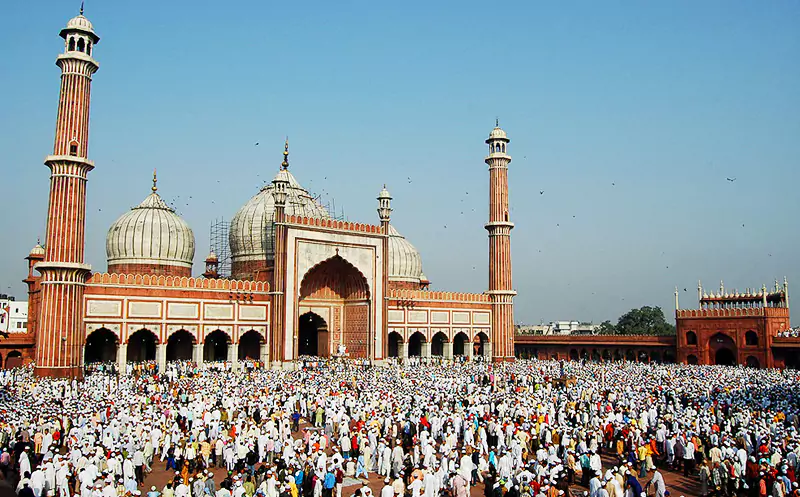
Cultural dip: Sample Haleem in Hyderabad; respect prayer timings.
Janmashtami: Krishna’s Birth
August-September midnight celebrations in Mathura include jhuglan swings and dahi handi human pyramids in Mumbai.
Maha Shivratri: Shiva’s Night
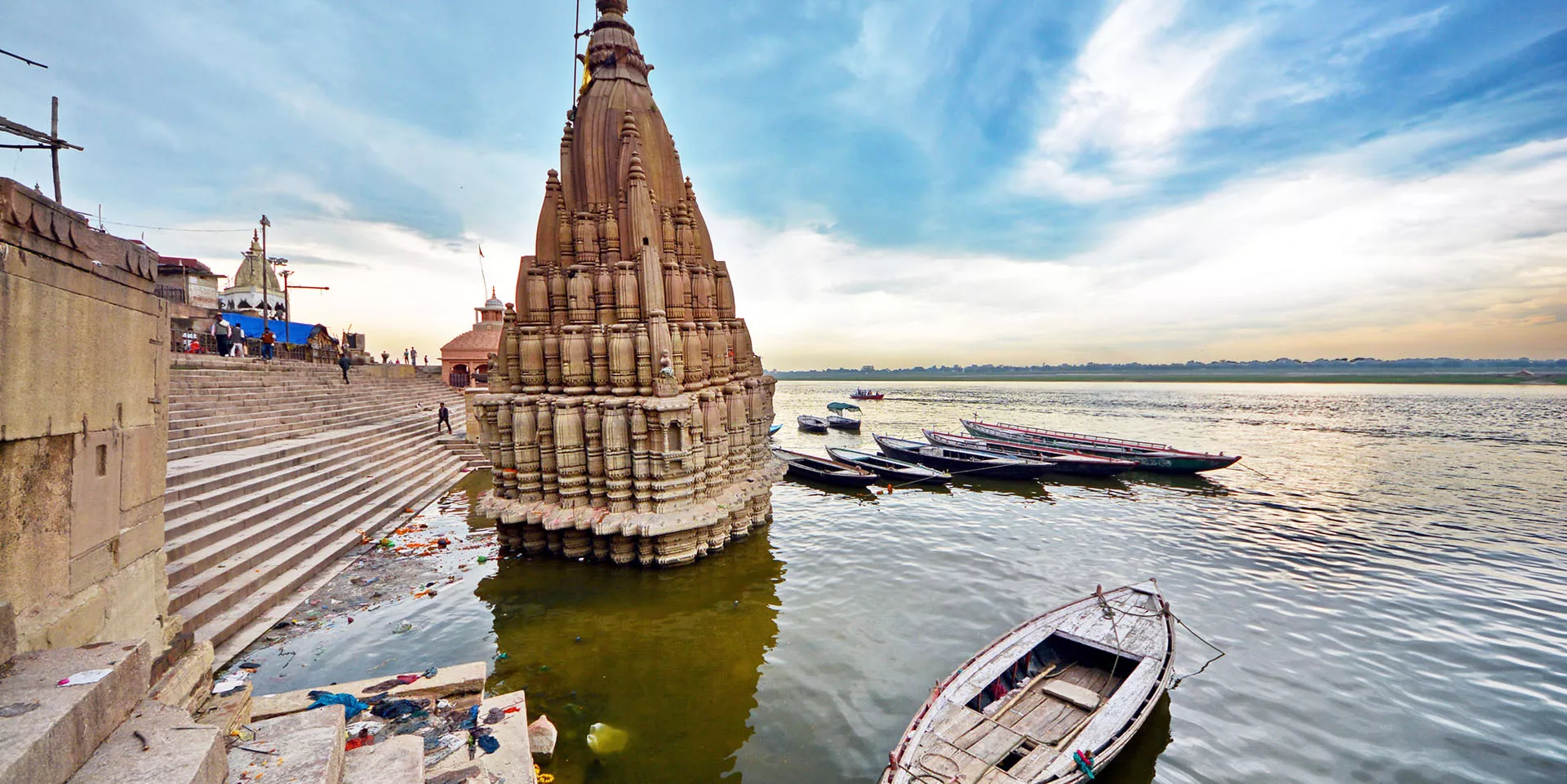
February-March vigils at Varanasi’s Kashi Vishwanath feature all-night jaagran and bhang thandai.
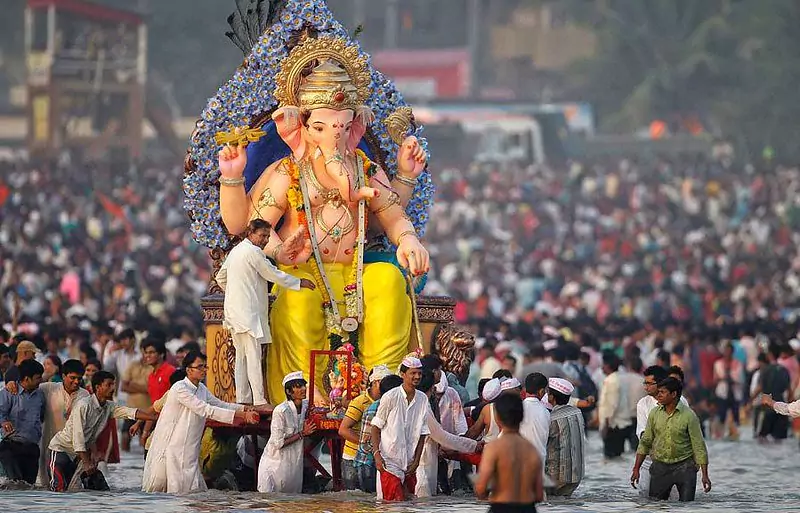
Ganesh Chaturthi: Maharashtra’s Elephant God Fest
August-September sees Mumbai’s pandals and Girgaum beach immersions—eco-friendly idols now trend.
Christian and Northeastern Celebrations
Christmas and Easter
Goa’s churches glow December 25 with midnight masses and plum cake. Easter (March-April) in Kerala adds egg hunts to coastal vibes.
Bihu: Assam’s Dance Fever
April’s Rongali Bihu rocks with peppy dances and pitha sweets; October’s Kongali marks post-harvest joy.
Iconic Fairs and Melas
Kumbh Mela: Massive Spiritual Confluence
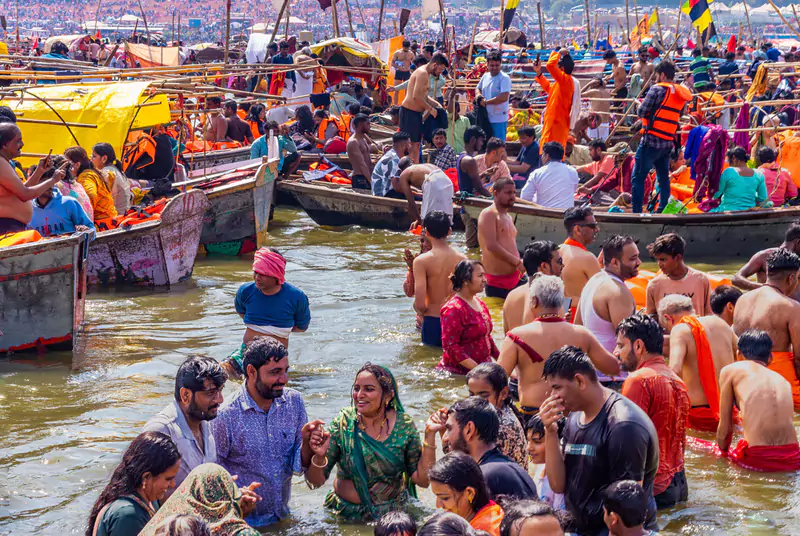
Every 3/6/12 years at Prayagraj (next full: 2025 Ardh Kumbh echoes into 2026 planning). Holy dips, Naga sadhus, and 100 million attendees.
Safety note: Use official camps; apps track bathing dates.
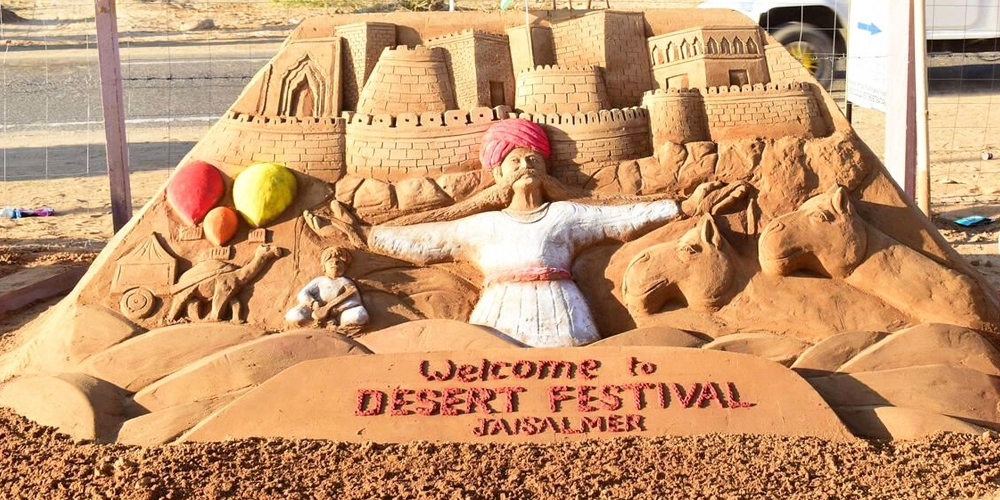
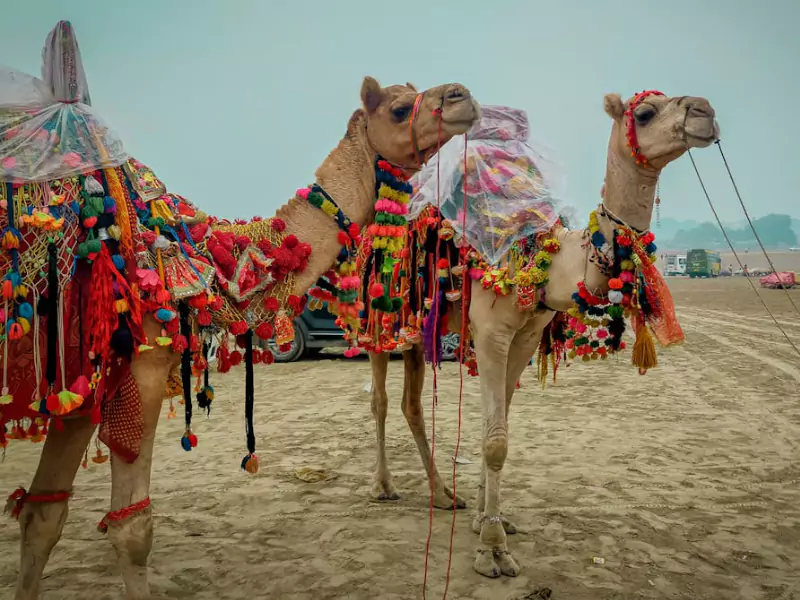
Pushkar Camel Fair: Rajasthan’s Desert Party
Late October-early November: Camel races, mustache contests, and lake dips near Brahma Temple.
2026 tip: Camp in luxury tents; haggle for handicrafts.
Surajkund Crafts Mela: Haryana’s Global Bazaar
February’s artisan showcase with 20+ countries—live weaves, fusion foods.
Other Standouts
- Sonepur Cattle Fair (Bihar, November): Elephant parades on Ganga banks.
- Goa Carnival (February): Portuguese parades, beach bonfires.
- Hemis Festival (Ladakh, July): Cham masked dances at 12,000 ft.
- Gangasagar Mela (West Bengal, January): Sacred confluence dips.
- Nagaur Fair (Rajasthan, January-February): Livestock trades meet folk arts.
| Festival/Fair | Best Time | Top Location | Unique Draw |
|---|---|---|---|
| Diwali | Oct-Nov | Jaipur | Light displays |
| Holi | Feb-Mar | Mathura | Color fights |
| Kumbh Mela | Varies | Prayagraj | Holy dips |
| Pushkar Fair | Oct-Nov | Pushkar | Camel market |
| Durga Puja | Sep-Oct | Kolkata | Pandals |
Practical Tips for Festival Travel
- Dress code: Modest attire for temples; whites for aartis.
- Health prep: Carry masks for crowds, hydration packs for heat.
- Sustainable choices: Opt for organic Holi colors; support eco-puja.
- Transport: Luxury rentals shine for Rajasthan fairs—link to self-drive itineraries.
- Internal links: Explore Rajasthan Tours, Kerala Backwaters, Golden Triangle.
Conclusion
India’s festivals and fairs aren’t mere events—they’re living tapestries of faith, flavor, and festivity. From Diwali’s glow to Kumbh’s scale, they invite you to connect deeply. Time your 2026 trip right, respect local customs, and let these celebrations redefine your journey.
FAQs
1. What is the best festival to experience in Rajasthan?
Pushkar Camel Fair (October-November) blends spirituality, livestock trades, and desert culture—perfect for luxury campers.
2. When is Diwali 2026?
Around late October; confirm via Hindu calendar for Jaipur’s peak lights.
3. Which Indian festival has the largest crowds?
Kumbh Mela at Prayagraj draws over 100 million for river dips every few years.
4. Is Holi safe for solo female travelers?
Yes in organized events like Vrindavan; stick to groups, use organic colors, and avoid isolated spots.
5. What to pack for Indian festivals?
Light cotton clothes, reusable water bottle, scarf for dust/prayers, and camera with extra batteries.
6. How does Durga Puja differ from Navratri?
Navratri focuses on dances in Gujarat; Durga Puja emphasizes Kolkata’s grand idols and pandals.
7. Are India’s fairs family-friendly?
Absolutely—Pushkar and Surajkund offer kid-safe crafts, shows, and foods.
8. What’s a unique fair for adventure seekers?
Hemis Festival in Ladakh combines high-altitude treks with sacred Cham dances.