Diwali in India: Complete Guide to Traditions, Best Places & Travel Tips
Have you ever stood mesmerized as a river of diyas danced on the Ganges, or bitten into a warm jalebi amid fireworks exploding overhead? Diwali in India transformed my solo backpacking trip into a family affair with strangers in Jaipur. This isn’t just a festival—it’s a heartfelt invitation to India’s soul. Whether you’re a first-time visitor or seasoned explorer, this guide equips you with everything for an unforgettable Diwali in India adventure, from rituals to real-talk tips.
What is Diwali? Decoding India’s Festival of Lights for Travelers
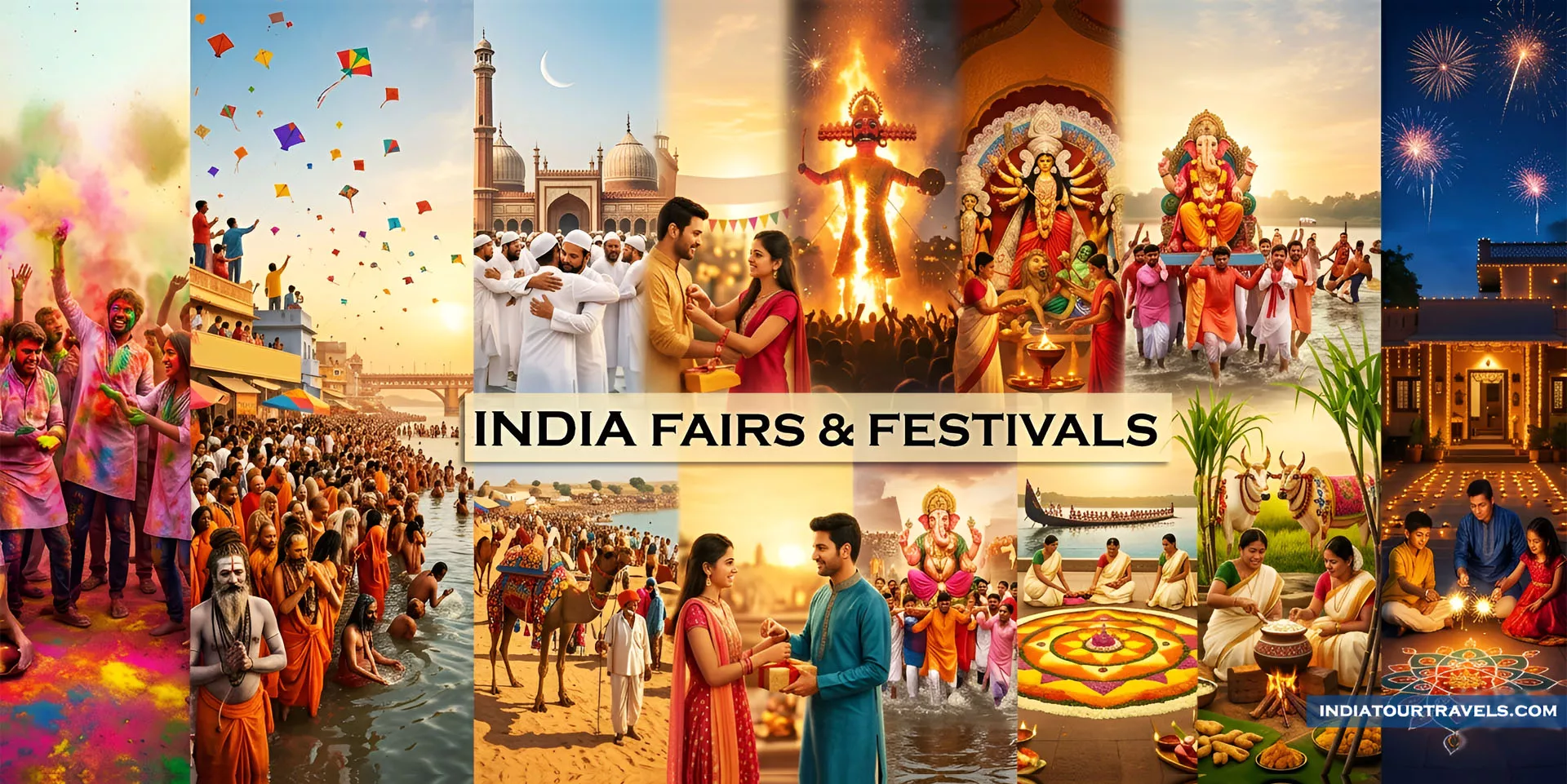
At its core, Diwali—the Festival of Lights—spans five days, symbolizing hope, renewal, and good’s victory over evil. Rooted in the Ramayana epic, it marks Lord Rama, Sita, and Lakshmana’s triumphant return to Ayodhya after 14 years in exile. But beyond mythology, it’s India’s biggest homecoming, blending Hindu roots with pan-cultural joy—Muslims, Sikhs, and Jains celebrate their own twists, like Bandi Chhor Divas.
What makes it traveler-gold? The energy is infectious, turning cities into living light shows. In 2026, Diwali in India falls October 18–22 (lunar Tithi: Kartik Amavasya). Pro traveler tip: Fly in 3–4 days early to catch pre-fest buzz without peak chaos.
Diwali’s Five Days: Day-by-Day Magic
Each day layers meaning, building to euphoric peaks:
- Day 1: Dhanteras – Dawn of prosperity. Families buy gold, silver, or utensils for wealth blessings. Markets overflow with shiny deals—perfect for souvenir hunts.
- Day 2: Choti Diwali (Narak Chaturdashi) – Slay inner demons with oil baths and home scrubs. Evening sweets kick off feasting.
- Day 3: Main Diwali Night – The heartbeat: Lakshmi Puja at dusk, diyas everywhere, midnight fireworks. Homes glow; streets pulse.
- Day 4: Govardhan Puja – Krishna’s mountain-lifting legend inspires nature thanks. Annakut feasts feature 56+ dishes.
- Day 5: Bhai Dooj – Sibling showdowns with rakhi-like tilaks and gifts. Pure emotional warmth.
Original insight: Modern twists include eco-diyas from recycled glass, cutting pollution by 40% in pilot cities like Mumbai.
Diwali Traditions: Hands-On Experiences for Every Traveler
Diwali isn’t spectator sport—dive in! My favorite memory: Kneeling with a Delhi family to light our first diya, hands trembling with ghee lamps.
- Diyas & Rangoli Mastery
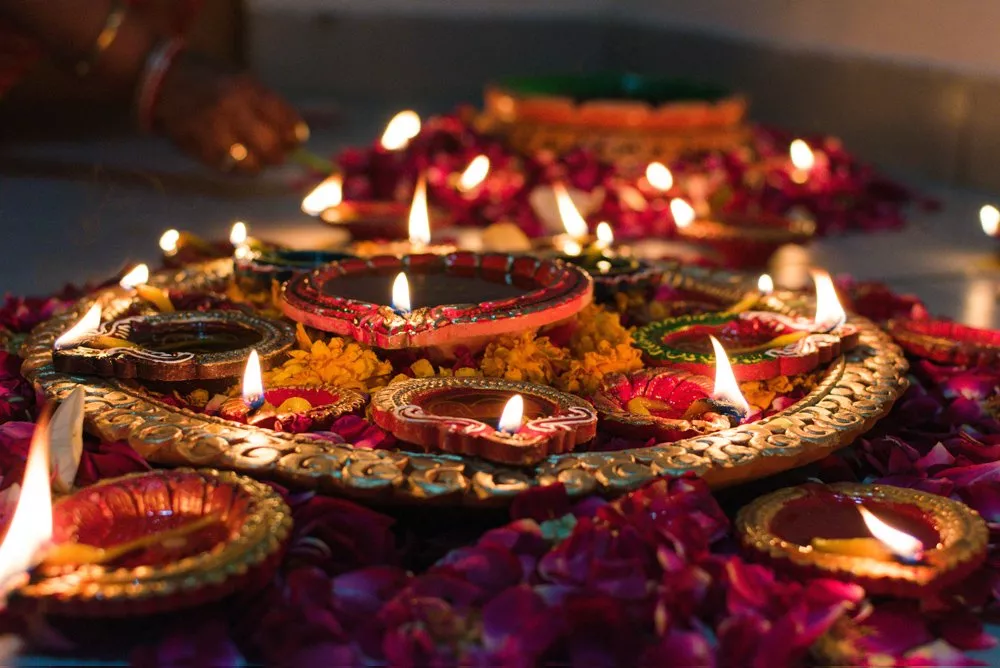
Clay lamps (diyas) flicker on thresholds; rangoli art uses colored powders, flowers, or rice for auspicious motifs like lotuses. Traveler hack: Join free workshops—many homestays teach in 30 minutes. - Lakshmi Puja: Invoking Abundance
Chant mantras, offer lotus and coins to the goddess of wealth. It’s meditative; non-Hindus welcome as observers. - Fireworks Frenzy
From sparklers to sky-bursts, it’s sensory overload. Safety first: Stick to licensed zones. - Sweets & Savories Symphony
Indulge guilt-free—it’s tradition! Share plates to bond. - Gifting & Gamification
Boxes of mithai (sweets) or clothes exchanged. Play tambola (bingo) with diyas as prizes.
Traditions Cluster: Spiritual (puja), Creative (rangoli), Social (gifting)—customize by vibe.
Best Places to Celebrate Diwali in India: Curated Picks
India’s diversity means Diwali in India varies wildly—here’s your top-five, with why-they-wow.
1. Jaipur: Pink City’s Regal Radiance
Bazaars like Johari turn jewel-boxes; palaces compete in decor contests. Stay in a haveli for private fireworks views.
2. Varanasi: Ganges’ Divine Diwali
Dev Deepawali extension floats lakhs of diyas on the river—book a pre-dawn boat for golden-hour serenity.
3. Ayodhya: Rama’s Epic Return
Post-temple boom, 2026 expects 50 lakh lamps. Free langars (community kitchens) feed millions.
4. Delhi-NCR: Urban Extravaganza
Chandni Chowk’s chaos meets India Gate parties; luxury hotels host fusion feasts.
5. Mumbai & Goa: Coastal Twists
Mumbai’s Marine Drive sparkles; Goa’s Narkasur effigy burns blend beach vibes.
Destinations Cluster: Heritage (Jaipur/Ayodhya), Spiritual (Varanasi), Party (Delhi/Goa). Connect via IndiGo flights.
Diwali Travel Tips: Plan Like a Pro
Peak season means savvy planning—I’ve learned the hard way after a sold-out Varanasi ghat.
Booking & Logistics
- Timeline: Reserve 4 months ahead; use IRCTC for trains.
- Stays: Boutique guesthouses over chains for immersion (₹3,000–10,000/night).
- Transport: Uber/Ola in cities; camels in deserts.
Daily Survival Guide
- Crowd Dodge: Temples at 5 AM; markets post-10 PM.
- Gear Up: Earplugs, reusable water bottle, power bank.
- Dress Code: Festive kurtas (rent for ₹500); comfy shoes for walking.
Tailored Budget Options: Diwali for Every Wallet
No matter your budget, Diwali in India shines bright—here’s how I’ve tailored trips for friends:
- Budget Traveler (Under ₹20,000/week): Hop trains via IRCTC (Jaipur-Delhi sleeper ~₹800), crash in lively hostels (₹800/night). Fuel on street food (₹200/day), hit free ghats for diya floats. Pro loop: Jaipur lights → Delhi markets.
- Mid-Range (₹30,000–50,000): Quick flights (₹5,000 roundtrip), boutique stays with breakfast, add guided rangoli walks (~₹2,000). Comfort meets culture.
- Luxury (₹80,000+): Heritage hotels like Jaipur havelis, private Ganges boats for puja, chef-led sweet tastings. Pure indulgence.
Custom Itineraries
- Solo (5 Days): Jaipur (lights) → Delhi (shopping).
- Couple (7 Days): Varanasi (romantic boats) → Ayodhya.
- Family (10 Days): All five spots, kid-proofed.
Planning Cluster: Budget (trains, ₹15k total), Luxury (flights/hotels, ₹80k).
Diwali Food Trail & Shopping Spree
Food is Diwali’s love language—my stomach still dreams of these.
Iconic Eats
- Sweets: Gulab jamun (syrupy orbs), barfi (milk fudge), rasmalai.
- Savories: Kachori (flaky puffs), chakli (spirals), samosas.
- Regional Stars: Rajasthani ghevar, Goan bebinca.
Street carts > restaurants for authenticity; vegetarian heaven.
Shopping Essentials
- Diyas, rangoli kits, ethnic wear.
- Markets: Jaipur’s Bapu, Mumbai’s Colaba.
- Bargain Tip: Offer 50% off, smile big.
Food/Shopping Cluster: Sweet-tooth tours, ethical artisan buys.
Safety, Sustainability & Inclusivity: Travel Responsibly
Diwali’s thrill has edges—stay safe.
- Fireworks: No touching; eye protection.
- Health: Masks for smoke (AQI 300+); stay hydrated.
- Crowds: Valuables in neck pouches.
- Green Practices: Plant-based crackers, zero-plastic gifts.
- Inclusivity: Solo women? Group tours. Accessibility? Ramp-equipped ghats.
Traveler story: A queer couple I met thrived in Goa’s open vibes.
Why Diwali in India is Unmissable for Travelers
It’s not hype—Diwali in India rewires you. Photographers chase light symphonies; foodies feast royalty; culture seekers uncover resilience. Testimonials flood: “Felt like home in a foreign land.” In 2026, expect AR apps for virtual Rangoli previews.
Your Diwali Action Plan & Final Spark
Start with: 1) Pick spot. 2) Book core (flights/stay). 3) Add experiences (puja class). Diwali in India awaits—lights, love, legacy. What’s your first stop?
Diwali in India FAQ: Quick Answers for Travelers
- When is Diwali in India celebrated?
Diwali falls in October-November per the lunar calendar (Kartik Amavasya). Check annual Hindu panchang for exact dates—typically 5 days of festivities. - What are the best places for Diwali in India?
Top picks: Jaipur (royal lights), Varanasi (Ganges diyas), Ayodhya (Rama’s homecoming), Delhi (urban buzz), Goa (beach burns). Match to your vibe! - Is Diwali in India safe for solo travelers?
Yes, with precautions—stick to crowds, use ride-apps, avoid isolated fireworks. Women travelers love group homestays in Jaipur/Varanasi. - What to pack for Diwali travel in India?
Festive clothes (kurta/saree), earplugs, reusable water bottle, cash, mask for smoke. Light layers for evening chill. - How to book Diwali trips affordably?
Plan 2–3 months early via trains/hotels. Budget: ₹15,000–25,000/week; luxury: ₹50,000+. - Can non-Hindus join Diwali rituals?
Absolutely—puja is inclusive; ask politely, remove shoes, enjoy as guest.