
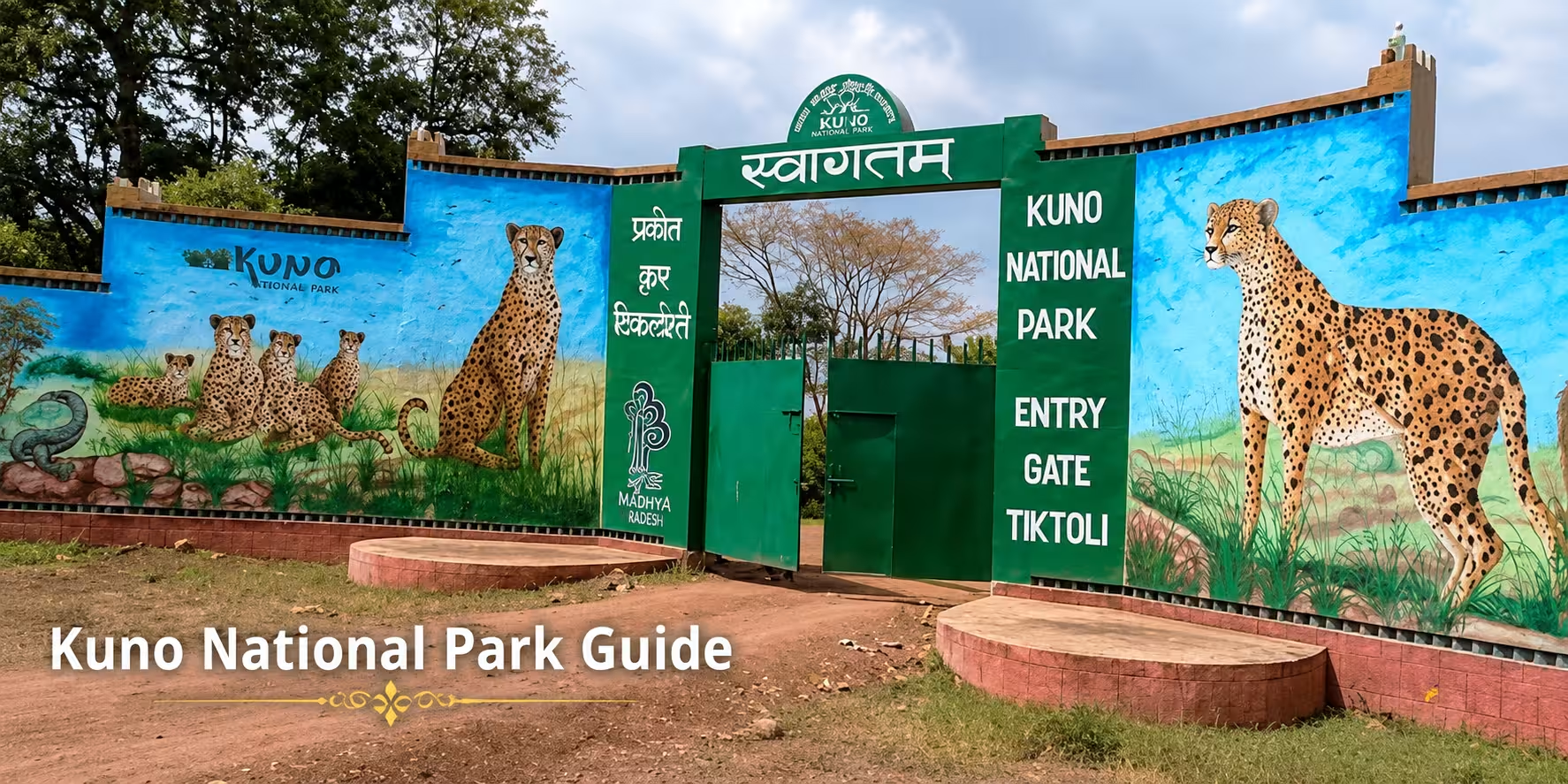
Kuno National Park Travel Guide (2026)
See Cheetahs, Enjoy Wildlife Safaris, and Plan a Smooth Trip
Kuno National Park is one of the most exciting wildlife destinations in India right now because it gives travelers a chance to explore a growing safari destination linked with India’s cheetah reintroduction story. Located in Madhya Pradesh, Kuno is attracting nature lovers, wildlife photographers, birdwatchers, and families who want a quieter alternative to the country’s more crowded national parks.
If your main reason for visiting is to see cheetahs and enjoy a real jungle experience, Kuno is worth serious consideration. The park is not only about cheetahs, though; it also offers beautiful forest drives, open grassland views, chances to spot deer, antelope, jackals, wolves, hyenas, and many birds, and a sense that you are visiting a place that still feels genuinely wild.
This guide covers everything a tourist needs to know before planning a trip to Kuno National Park, including the best time to visit, safari details, wildlife, nearby places, accommodation suggestions, and how to reach the park comfortably.
What Is Kuno National Park?
Kuno National Park is a protected wildlife area in the Sheopur district of Madhya Pradesh and is now best known as the main site of India’s cheetah reintroduction project. Over the years, Kuno developed from a forested conservation landscape into one of the most talked-about wildlife parks in India because of its role in bringing cheetahs back to the country after around 70 years.
The park includes dry deciduous forest, open grasslands, scrubland, rocky terrain, and riverine stretches, which together create a rich habitat for many species. This mix of landscapes is one of the reasons Kuno is appealing for wildlife tourism, since every safari feels visually different and you are not just driving through one type of forest.
Why Kuno National Park Is Famous
Kuno became famous because it was selected as the home of Project Cheetah, one of India’s most ambitious wildlife conservation projects. The return of cheetahs made Kuno a bucket-list destination for people who want to witness an important conservation story while also enjoying a safari holiday.
Another reason for Kuno’s growing popularity is that it still feels less commercial than older safari parks. Many travelers like the fact that they can experience grasslands, rocky hills, and wildlife sightings without the heavy vehicle rush often seen in better-known tiger reserves.
About Kuno National Park
Location
Kuno National Park is in Madhya Pradesh, mainly in the Sheopur region, and is reached by road from nearby cities and transport hubs such as Gwalior. Travelers usually combine rail or air travel with a road transfer to the park because Kuno is not a big urban tourist destination with direct large-scale transport access.
Area and landscape
Kuno covers a broad protected landscape of forest, grassland, and river-based habitat suited to a range of wildlife species. The variety in terrain is important because cheetahs prefer open areas, while other animals such as leopards and sloth bears use denser or more rugged patches.
History of the park
Kuno first developed as a wildlife sanctuary and later became a stronger conservation zone through habitat protection, village relocation from key areas, and prey-base improvement. Before becoming famous for cheetahs, the landscape had already been discussed as a possible relocation site for Asiatic lions, which shows how important the area has long been for large carnivore conservation.
From sanctuary to national park
The transition from a protected sanctuary landscape to national park-level importance happened because Kuno had the ecological conditions needed for major wildlife restoration work. As habitat management improved and the park drew national attention, it became the focus of a major new chapter in Indian wildlife tourism and conservation.
The Cheetah Reintroduction Project
Why Kuno was selected
Kuno was selected because it has open grassland and scrub habitat, a suitable prey base, and enough managed wilderness to support cheetahs over time. Conservation authorities also saw Kuno as a strong landscape for long-term monitoring and future growth of the cheetah population.
Arrival of African cheetahs
African cheetahs were brought to Kuno in phases under an internationally coordinated conservation plan. They were first kept in controlled enclosures for monitoring and adaptation before being moved into wider areas within the park.
Conservation goals
The project is meant to restore cheetahs to India, strengthen grassland conservation, and build a long-term model for large predator reintroduction. It also helps bring public attention to habitats that often receive less focus than dense forests, especially open grasslands and dry woodland ecosystems.
What tourists should expect
Travelers should visit Kuno with realistic expectations. Cheetah sightings do happen, and dedicated cheetah safari experiences have made sightings more achievable, but no safari can guarantee that you will see one on every drive. The best approach is to enjoy the full experience of the park and treat a cheetah sighting as a major bonus rather than the only goal.
Wildlife at Kuno National Park
Kuno offers much more than one flagship species. Even when cheetahs stay out of sight, the landscape and wildlife activity can make a safari highly rewarding.
Cheetahs
Cheetahs are the main reason many travelers come to Kuno. They are usually associated with open grasslands and scanning ridges, and sightings often depend on fresh movement updates, timing, and luck.
Leopards
Leopards live in the broader Kuno landscape and tend to use rocky and better-covered areas. They are far more secretive than cheetahs, so a leopard sighting feels especially special here.
Wolves and striped hyenas
Indian wolves and striped hyenas are part of Kuno’s carnivore community and add to the park’s appeal for serious wildlife lovers. These are not everyday sightings for casual tourists, but their presence makes the ecosystem more exciting and complete.
Sloth bears and jackals
Sloth bears can appear in suitable habitat patches, while jackals are more commonly seen during safaris around open and semi-open areas. These species make Kuno interesting for repeat visitors who value overall biodiversity rather than just one animal.
Herbivores and prey animals
Kuno supports nilgai, chinkara, sambar deer, chital, and wild boar, all of which are important parts of the food chain and frequently seen during drives. For many tourists, these animals create the constant sense of movement and life that makes a safari enjoyable from start to finish.
Bird species
Birdwatchers can enjoy raptors, peafowl, grassland birds, and seasonal water-associated species in and around the park’s river and wetland areas. Winter is especially rewarding for visitors who like combining wildlife safaris with bird photography.
Flora and Forest Types
Kuno’s scenery is one of its underrated attractions. The park’s vegetation is not the thick, dark forest many first-time visitors imagine; instead, it includes dry deciduous woodland, open grassland, scrub, and river-linked greenery that gives the whole landscape a raw and cinematic look.
Dry deciduous forests
These forests lose leaves in the dry months, which often improves visibility during safaris. That is one reason winter and summer drives can be rewarding for spotting animals between trees and along forest edges.
Grasslands
Grasslands are among the most important habitats in Kuno because they support cheetahs and their prey. They also make the safari visually different from a tiger-centric park, with wider views and more scanning over open country.
River ecosystem and native plants
The Kuno river system and nearby riparian patches help support wildlife movement and attract animals to water sources. Native dryland trees, shrubs, and grasses adapted to the local climate shape the park’s identity and support its prey base.
Best Time to Visit Kuno National Park
Winter
Winter, from October to March, is the best season for most tourists visiting Kuno. The weather is pleasant, mornings feel fresh, and the overall safari experience becomes more comfortable, especially for families and first-time wildlife travelers.
Summer
Summer can be extremely hot, but early morning and evening safaris may still be productive because animals stay closer to water and shade. This season usually suits experienced wildlife travelers and photographers who can handle the heat.
Monsoon
The monsoon months make Kuno green and beautiful, but safari access may be limited in some areas depending on weather and road conditions. This is not the best choice if your main goal is to maximize safari drives and sighting opportunities.
Ideal safari season
If your purpose is to visit Kuno for cheetah and wildlife sightings, the most practical travel window is from October to March, especially from November to February.
Safari Experience in Kuno
Jeep safari
Kuno safaris are generally done in gypsy-style open vehicles with a guide or naturalist. This setup gives travelers a proper wildlife-viewing experience and helps them understand animal movement, habitat, and park rules more clearly.
Safari timings
Morning and evening safaris are the most common, with exact timings changing by season. These hours are best because temperatures are lower and wildlife activity is usually higher than during the middle of the day.
Safari routes and gates
Travel content around Kuno frequently mentions gates such as Ahera, Tiktoli, and Pipalbawdi, which give access to different parts of the park and cheetah-use areas. Your route and gate can shape the feel of the safari, so it helps to stay flexible and choose based on the latest movement reports when possible.
Chances of spotting wildlife
You are quite likely to see deer, nilgai, wild boar, and birds on most safaris. Cheetah sightings are possible and increasingly talked about by travelers, but they still depend on timing, guide skill, and the day’s movement patterns.
Photography opportunities
Kuno is excellent for wildlife photography because its open landscapes provide long views and good natural light, especially in the early morning and evening. A zoom lens and steady hands can make a big difference because some sightings, especially of cheetahs, may happen at a distance.
Entry Fees and Safari Booking
Safari prices and park charges can change, so travelers should always verify the latest details before making final plans. Online booking and advance reservation are strongly advised during the main tourist season.
What charges usually apply
Visitors usually pay a combination of entry fee, vehicle fee, and guide fee, depending on the safari format and booking source. Some recent travel coverage has mentioned gypsy pricing around ₹4,500 for a vehicle and separate options for private vehicle entry, though actual current rates should always be rechecked before travel.
How to book
The safest approach is to use official booking channels or reliable operators familiar with Kuno safari logistics. Booking early is especially important in winter weekends, holidays, and school-vacation periods when demand rises.
Required permits
Travelers should carry a valid government photo ID and their booking confirmation when going for safari entry. Additional permissions may be needed for professional filming or special equipment, depending on park policy.
How to Reach Kuno National Park
Kuno is not the kind of park where most tourists can simply step off a train and enter the safari gate a few minutes later. A little travel planning makes the trip much smoother and helps avoid delays on safari day.
Nearest airport
Gwalior Airport is commonly considered the most practical airport for many visitors planning a Kuno trip. Some travelers also use larger airports farther away and continue by road, but Gwalior often offers a more manageable route.
Nearest railway station
Gwalior is also one of the most useful railway hubs for travelers heading to Kuno. From there, visitors usually continue by taxi or pre-arranged road transfer toward the park region.
Road connectivity
Road travel is an important part of a Kuno trip, and the last stretch can feel rural and slower than city highway driving. It is wise to keep buffer time in your schedule, especially if you are arriving the same day as a safari.
Nearby places and access points
These nearby places are often useful reference points when planning how to reach Kuno:
- Gwalior, a major airport and railway gateway for many tourists.
- Sheopur, the district area associated with Kuno and an important local reference point for park access.
- Shivpuri, often considered in wider regional travel circuits and nearby wildlife planning.
- Orchard and heritage circuits such as Orchha and Gwalior city, which can be combined with a Kuno trip on a longer itinerary.
Because gate access varies, it is smart to confirm the exact route with your hotel or safari operator one day before arrival.
Accommodation Suggestions Near Kuno National Park
Kuno is still developing as a wildlife tourism hub, so accommodation is simpler and more limited than in famous tiger reserves. That said, most travelers can still find a suitable place to stay if they book in advance and choose according to their comfort level and safari plan.
1. Forest rest houses
Forest rest houses are a good option for travelers who want to stay close to nature and do not mind basic facilities. These stays usually suit birdwatchers, wildlife photographers, and visitors who care more about location and early access than luxury comforts.
2. Jungle resorts and eco-lodges
For most tourists, jungle resorts or eco-lodges near Kuno are the best balance of comfort and convenience. They often help with safari booking, meals, and transfers, which makes the overall trip easier for families, couples, and first-time wildlife travelers.
3. Hotels and guest houses in nearby towns
Budget-conscious travelers can stay in nearby towns and drive to the safari gates as needed. This option usually gives easier access to basic shops and transport, though it may not provide the same forest atmosphere as a lodge near the park.
4. Budget lodges and homestays
Simple local lodges or homestays can work well for travelers who want low-cost accommodation and a more local travel experience. Before booking, it helps to confirm how far the stay is from the gate and whether the host understands safari timing and transport needs.
Accommodation tips for tourists
- Choose a stay based on your safari gate, not only on room price.
- Book both room and safari well in advance during winter and holiday periods.
- Ask whether the property arranges gypsy booking, guide support, packed breakfast, and early-morning tea.
- If you are planning 2–3 days in Kuno, staying close to your assigned safari side can save time and reduce morning stress.
Nearby Attractions to Visit Around Kuno
Kuno works well as a core wildlife destination, but it can also be part of a larger regional trip. Travelers with extra time can add a few nearby attractions before or after their safari days.
Madhav National Park
Madhav National Park near Shivpuri is a good add-on for travelers interested in more nature and birdlife. It can fit nicely into a central India wildlife circuit.
Gwalior Fort
Gwalior Fort is one of the strongest nearby heritage attractions for travelers combining wildlife with history and architecture. It is a smart stop if you are entering or exiting the region through Gwalior.
Shivpuri
Shivpuri offers a convenient stopover in the broader region and can be useful for travelers who prefer breaking the journey into smaller segments.
Orchha
Orchha is farther out as part of a wider circuit, but it is worth considering if you want to combine safari travel with palaces, temples, and riverside heritage scenery.
Sheopur town
Sheopur is an important nearby town linked with Kuno access and practical travel planning. It can be useful for local arrangements, supplies, and route orientation depending on where you stay.
Things to Carry for a Kuno Trip
Packing smart makes the trip more comfortable and increases your chance of enjoying every safari.
- Binoculars for scanning open grasslands and distant wildlife.
- Camera with zoom lens, extra batteries, and memory cards.
- Light clothes in muted colours, plus a jacket for winter mornings.
- Hat, sunglasses, sunscreen, and a refillable water bottle.
- Personal medicines, insect repellent, and comfortable shoes.
Travel Tips for Tourists Visiting Kuno
Safari etiquette
Good safari behavior matters in Kuno because it helps protect wildlife and improves the experience for everyone. Stay quiet, follow the guide’s instructions, avoid sudden movement, and never pressure the driver to break rules for a closer sighting.
Responsible wildlife tourism
Tourists should remember that Kuno is a conservation landscape first and a tourism destination second. Respect for wildlife, local communities, and park rules is part of what makes the experience meaningful and sustainable.
Best strategy for seeing more wildlife
The best strategy is to spend at least two or three days in the area and do multiple safaris instead of depending on one lucky drive. Morning and evening safaris together usually give a better overall wildlife experience than a single slot.
Interesting Facts About Kuno National Park
- Kuno is at the center of India’s modern cheetah restoration effort.
- The landscape was once prepared for possible Asiatic lion relocation before gaining fame for cheetahs.
- Kuno supports a mix of grassland, forest, and river-linked habitat that benefits many species, not just one flagship animal.
- The park still feels relatively raw and less crowded than several older wildlife destinations, which appeals to many nature-focused travelers.
FAQs About Kuno National Park
- Why is Kuno National Park famous?
Kuno National Park is famous because it is the main site of India’s cheetah reintroduction project and one of the country’s most talked-about wildlife destinations for cheetah safaris. - Can visitors really see cheetahs in Kuno?
Yes, visitors can see cheetahs in Kuno, and recent travel coverage and safari content show that sightings do happen. Still, sightings depend on timing, movement, and luck, so they can never be guaranteed. - How do I book a safari in Kuno?
You can book through official channels or through trusted safari operators and lodges that understand Kuno logistics. Booking in advance is the best approach, especially in peak season. - Which is the best time to visit Kuno?
The best time to visit Kuno is from October to March, when the weather is comfortable and safari conditions are more visitor-friendly. - How many days are enough for Kuno National Park?
Two to three days is a practical minimum for most tourists because it allows multiple safaris and gives you a better chance of seeing more wildlife. - Is Kuno suitable for families?
Yes, Kuno can work well for families who enjoy nature, wildlife drives, and quieter destinations. Choosing a comfortable lodge and keeping expectations realistic makes the experience smoother for children and older travelers. - Which animals can I see besides cheetahs?
Besides cheetahs, visitors may see nilgai, chinkara, sambar, chital, wild boar, jackals, wolves, striped hyenas, leopards, sloth bears, and many birds.
Conclusion
Kuno National Park deserves a place on every wildlife lover’s travel list because it offers a rare mix of real conservation significance and rewarding safari travel. It is one of the few places where a tourist can combine scenic forest drives, open grassland wildlife viewing, and the thrill of possibly spotting a cheetah in India.
For the best experience, plan your trip in the cooler months, book your safari and stay early, choose accommodation close to your safari side, and give yourself enough time for multiple drives. Kuno is not just a park to tick off on a checklist; it is a destination best enjoyed slowly, with patience, curiosity, and a love for the wild.


Related to this topic:


Taj Mahal Ticket Price & Timings: Complete Tourist Guide