How to Avoid Delhi Belly: Food and Water Safety Tips in India
India is unforgettable for its flavors, but that’s exactly why many first-time visitors worry about Delhi Belly. The good news is that with a few smart habits, you can enjoy Indian food confidently and cut the risk of stomach trouble dramatically.
What Delhi Belly Really Means
Delhi Belly is a casual term for traveler’s diarrhea or stomach upset that often happens when your body adjusts to new food, water, or hygiene conditions. It is not usually about one single dish; more often, it comes from unsafe water, poor food handling, or simply an unprepared digestive system. For travelers, the goal is not to avoid every local flavor, but to make smarter choices from the start.
Start With Water Safety
Water is the first place to be careful. In India, stick to sealed bottled water, filtered water, or water that has been properly purified. Always check that the bottle seal is intact before drinking.
Avoid:
- Tap water.
- Ice unless you know it is made from purified water.
- Fresh juices diluted with unverified water.
- Rinsing your toothbrush with tap water.
A simple habit like using bottled water for brushing your teeth can save you a lot of discomfort.
Choose Food Wisely
Indian food is incredibly diverse, and most of it is perfectly fine for travelers when prepared well. The safest approach is to begin with freshly cooked, hot food from busy places that turn over food quickly. Heat is your friend because it reduces the risk from bacteria.
Safer choices often include:
- Freshly cooked curries.
- Hot rotis, naan, or rice.
- Dishes made to order.
- Busy restaurants with visible cleanliness.
Be more careful with:
- Pre-cut fruit.
- Salads washed in unknown water.
- Buffet food left sitting out too long.
- Dairy-heavy dishes if your stomach is sensitive.
Be Smart About Street Food
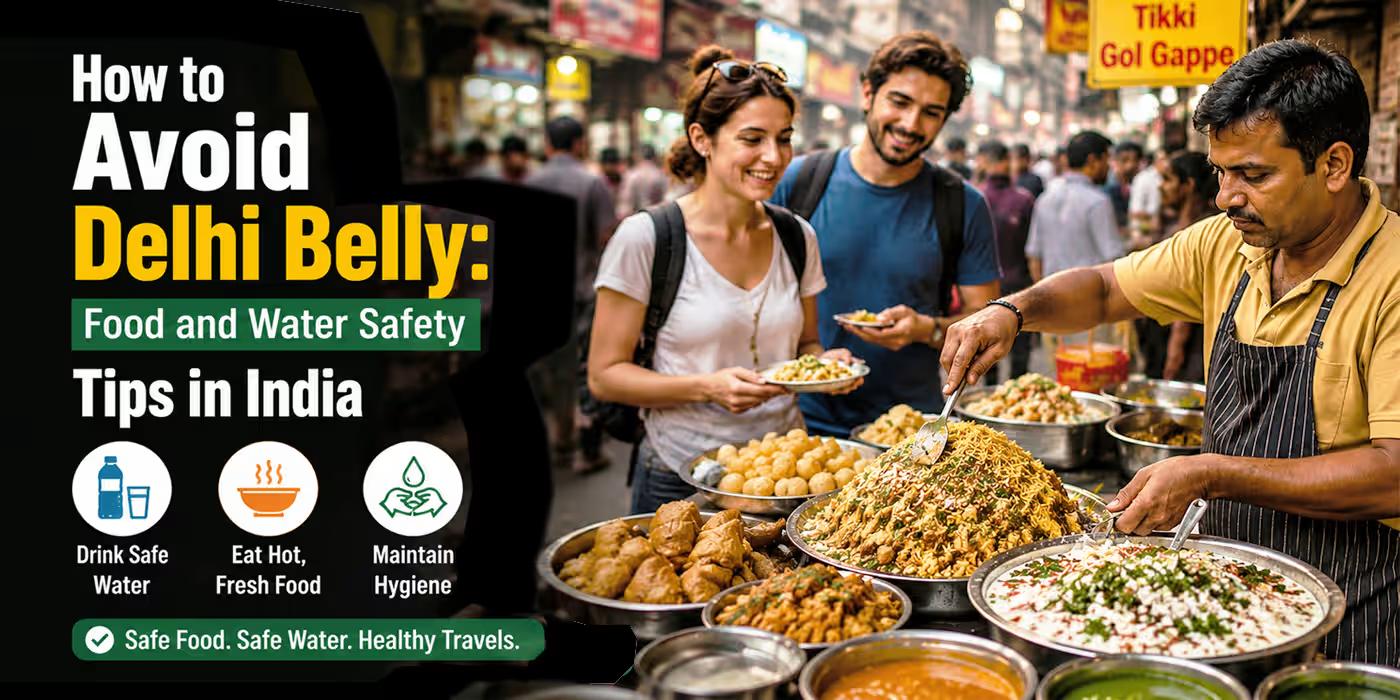
Street food is one of India’s greatest travel experiences, but it pays to be selective. The best stalls are usually crowded, clean-looking, and fast-moving. A stall full of locals is often a better sign than one that is empty.
A good rule is to choose food that is:
- Cooked in front of you.
- Served piping hot.
- Prepared with clean utensils.
- Popular with local customers.
If a snack has been sitting exposed for a long time, skip it. That one decision can make a big difference.
Practice Simple Hygiene Habits
Food and water safety is only part of the picture. Hand hygiene matters just as much. Carry hand sanitizer and use it before eating, especially if you are on the move. If you can wash with soap and clean water, that is even better.
Helpful habits include:
- Washing hands before every meal.
- Keeping sanitizer in your day bag.
- Avoiding touching your face after handling cash or luggage.
- Carrying tissues or wet wipes for quick cleanups.
These small routines feel basic, but they are often what keep travelers healthy.
Pay Attention to Where You Eat
The place matters as much as the plate. A clean, busy restaurant with a strong local customer base is usually a safer bet than a quiet place with uncertain food turnover. In India, freshness is often more important than fancy presentation.
Look for signs like:
- High customer footfall.
- Clean counters and serving areas.
- Covered food storage.
- Fresh preparation instead of long storage.
A local favorite that serves food quickly and consistently is often a better choice than a restaurant that looks polished but has weak hygiene practices.
Ease Into Local Food
One of the biggest mistakes first-time visitors make is jumping straight into rich, spicy, and unfamiliar meals on day one. Your body may need a little time to adjust. Start with simpler dishes, then move toward heavier meals once you know how your stomach is reacting.
A gentle introduction might look like:
- Plain rice or khichdi.
- Mild curries.
- Freshly cooked bread.
- Cooked vegetables instead of raw sides.
This is not about avoiding local cuisine. It is about giving your stomach a fair chance to adapt.
Carry a Small Travel Kit
A compact travel health kit can be a lifesaver. You do not need to overpack, but a few basics can help you respond quickly if your stomach feels off.
Useful items include:
- Oral rehydration salts.
- Basic anti-diarrheal medicine, if approved by your doctor.
- Hand sanitizer.
- Reusable water bottle with a purifier if you prefer.
- A few stomach-friendly snacks.
If symptoms become severe or last more than a day or two, medical advice is the right move.
Watch for Early Warning Signs
Your body often gives early signals before full stomach trouble starts. If you feel unusually bloated, nauseous, crampy, or weak, slow down and simplify what you eat and drink. Rest, hydration, and bland foods usually help more than pushing ahead with heavy meals.
Common warning signs include:
- Stomach cramps.
- Loose motions.
- Nausea.
- Fatigue.
- Loss of appetite.
The sooner you respond, the easier it is to stay comfortable.
People Also Ask
What is the best way to avoid Delhi Belly in India?
The best way is to drink only safe water, eat freshly cooked food, wash your hands often, and choose busy, reputable places to eat.
Is street food safe in India?
Yes, often it is, but only when you choose fresh, hot food from clean-looking, high-turnover stalls with strong local demand.
Can I drink tap water in India?
For most travelers, tap water is not recommended. Bottled or purified water is the safer choice.
Should I avoid all spicy food in India?
Not necessarily. Spice itself is not the main issue; freshness, hygiene, and how your stomach handles rich food matter more.
FAQ
- How do I stop Delhi Belly before it starts?
Stay consistent with water safety, hand hygiene, and freshly cooked meals. Those three habits do most of the work. - What food is safest for first-time visitors in India?
Freshly cooked hot food, mild curries, rice, breads, and well-prepared restaurant meals are usually the safest starting point. - Is bottled water enough to stay safe?
Bottled water helps a lot, but it should be sealed and used carefully for drinking, brushing teeth, and possibly even washing fruit if needed. - What should I do if I get Delhi Belly?
Rest, drink plenty of safe fluids, eat bland foods, and seek medical help if symptoms are severe, persistent, or include dehydration.
Conclusion
Avoiding Delhi Belly is less about fear and more about rhythm, awareness, and a few everyday habits. Once you know how to choose safe water, fresh food, and clean eating spots, India becomes not just manageable but deeply enjoyable. The smartest travelers do not avoid the country’s food culture — they simply meet it with respect, patience, and good judgment.