How to Dress Appropriately in India: Cultural Do’s and Don’ts for Travelers
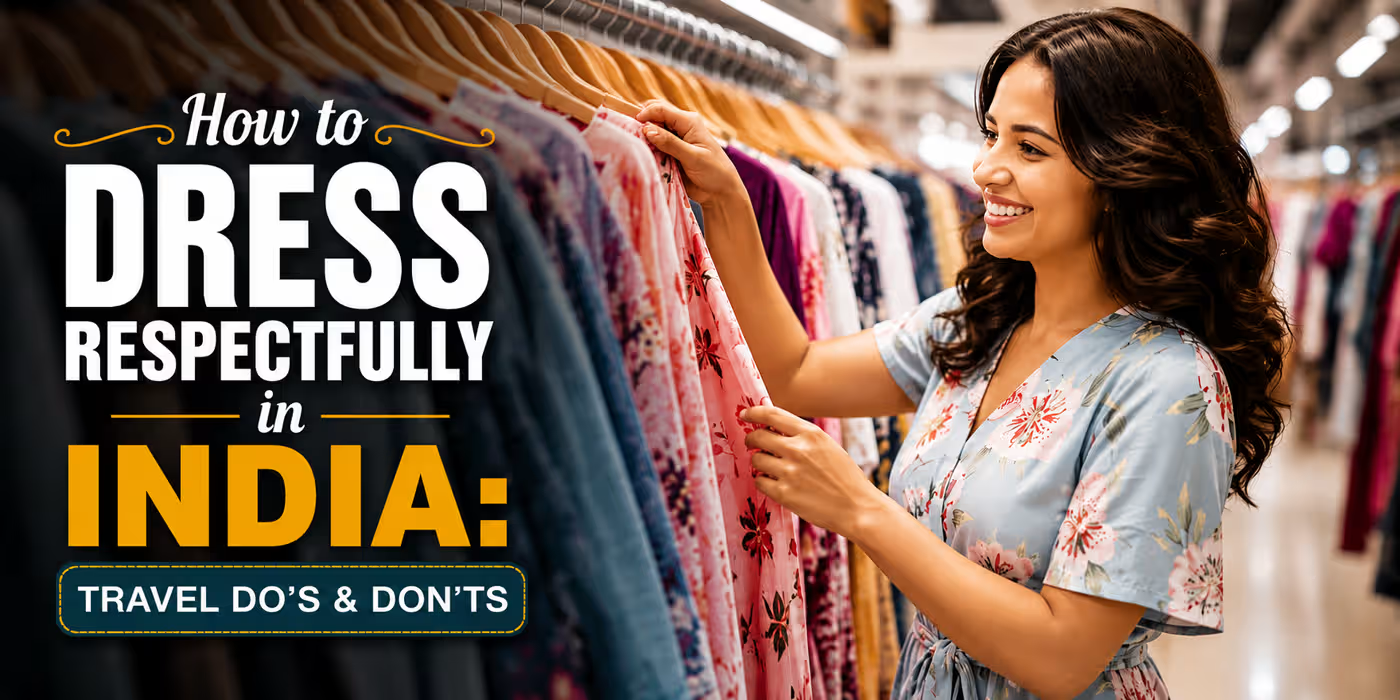
India is colorful, expressive, and wonderfully diverse — but when it comes to clothing, what feels perfectly normal in one city or beach town may attract unwanted attention somewhere else. For many first-time visitors, figuring out what to wear in India becomes one of the biggest travel questions before the trip even begins.
The good news? Dressing appropriately in India is less about strict rules and more about cultural awareness, comfort, and respect. Whether you’re exploring the busy streets of Delhi, visiting temples in Varanasi, relaxing in Goa, or trekking through the Himalayas, choosing the right clothes can make your experience smoother, safer, and far more comfortable.
This guide covers exactly how tourists should dress in India, including cultural do’s and don’ts, regional differences, temple etiquette, seasonal packing tips, and practical outfit ideas for both women and men.
Why Clothing Matters in India
India is modern in many ways, yet traditional values still shape daily life across much of the country. Clothing often reflects religion, local customs, climate, and social expectations.
In major cities like Mumbai, Bangalore, and Delhi, you’ll see everything from jeans and dresses to business suits and western fashion. However, conservative dressing is still appreciated in many public places, especially in rural areas, small towns, religious sites, and traditional neighborhoods.
Travelers who dress respectfully often notice:
- Less unwanted attention
- Easier interactions with locals
- Greater comfort in crowded places
- Better experiences at temples and cultural sites
- More confidence while exploring independently
Appropriate clothing is not about “blending in perfectly.” It’s about showing cultural sensitivity while staying practical for India’s weather and travel conditions.
What Tourists Should Wear in India
Choose Comfortable and Modest Clothing
Lightweight, breathable fabrics work best in India’s climate. Cotton and linen are ideal for hot weather, while loose-fitting clothing helps you stay cool and comfortable.
Recommended clothing for women:
- Maxi dresses
- Loose trousers or palazzo pants
- T-shirts with sleeves
- Kurtis or tunics
- Long skirts
- Scarves or shawls
- Comfortable sandals or sneakers
Recommended clothing for men:
- Cotton shirts
- Polo shirts or T-shirts
- Lightweight trousers
- Chinos
- Loose shorts in beach destinations
- Comfortable walking shoes
In most places, clothing that covers shoulders and knees is considered respectful and practical.
Cultural Do’s When Dressing in India
Dress Conservatively at Religious Sites
Temples, mosques, gurudwaras, and monasteries usually require modest clothing. Carrying a scarf or shawl is extremely useful during temple visits.
Temple dress etiquette:
- Cover shoulders and knees
- Remove shoes before entering
- Avoid tight or revealing outfits
- Cover your head at Sikh gurudwaras
- Wear clean and respectful clothing
Many famous temples in India enforce dress codes, particularly in South India.
Observe What Locals Wear
One of the easiest travel tips in India is simple: look around. Local clothing styles vary widely depending on the region, religion, and weather.
For example:
- Goa is relaxed and beach-friendly
- Rajasthan tends to be traditional
- Mumbai is more cosmopolitan
- Rural North India is generally conservative
- Himalayan regions require layered clothing
Adapting slightly to local norms helps travelers avoid awkward situations.
Carry a Light Scarf or Shawl
A scarf becomes one of the most useful travel accessories in India.
You can use it to:
- Cover up at temples
- Protect yourself from dust and sun
- Stay warm on flights or trains
- Add modesty in conservative areas
Many experienced travelers end up using scarves almost daily.
Cultural Don’ts: What to Avoid Wearing in India
Avoid Very Revealing Clothing in Conservative Areas
Crop tops, extremely short shorts, deep necklines, and revealing outfits may attract unnecessary attention in certain parts of India.
This is especially true in:
- Small towns
- Rural villages
- Religious destinations
- Crowded markets
- Public transportation
Beachwear is generally acceptable only at beaches and resort areas.
Don’t Wear Shoes Inside Religious Places
Many travelers forget this rule at least once. Shoes are removed before entering temples, mosques, and some homes.
Slip-on footwear makes this much easier while sightseeing.
Avoid Expensive Jewelry in Crowded Areas
India is generally safe for tourists, but flashy jewelry can attract pickpockets or unwanted attention in crowded markets and train stations.
Keep accessories simple while traveling.
What Women Travelers Should Know
Solo female travelers often wonder how to dress safely in India. While clothing alone does not determine safety, modest dressing can help reduce unwanted stares in some regions.
Many women travelers feel most comfortable wearing:
- Loose pants
- Midi or maxi dresses
- Oversized shirts
- Tunics with leggings
- Scarves in crowded areas
Interestingly, many tourists eventually start buying local Indian clothing because it’s practical, affordable, and climate-friendly.
A cotton kurti with loose pants is comfortable enough for sightseeing and culturally appropriate almost everywhere.
What Men Should Avoid Wearing
Men generally face fewer clothing restrictions, but there are still a few practical guidelines.
Avoid:
- Walking shirtless outside beaches
- Very short gym-style shorts in cities
- Offensive slogans or graphic prints
- Sleeveless tops at religious sites
Light cotton shirts and breathable trousers work well almost everywhere in India.
Seasonal Packing Tips for India
Summer (March to June)
India can become intensely hot, especially in Delhi, Rajasthan, and Central India.
Pack:
- Breathable cotton clothes
- Sunglasses
- Sun hat
- Loose outfits
- Sandals
Monsoon (June to September)
Rainfall can be heavy and unpredictable.
Pack:
- Quick-dry clothing
- Waterproof footwear
- Light rain jacket
- Extra socks
Avoid heavy denim during monsoon season.
Winter (October to February)
Northern India can get surprisingly cold, especially in Delhi and the Himalayas.
Pack:
- Layers
- Light sweaters
- Jackets
- Closed shoes
- Scarves
South India stays relatively warm year-round.
What to Wear in Different Parts of India
Goa
Goa is India’s most relaxed beach destination. Swimwear is fine on beaches but should not be worn in markets or towns away from the coast.
Best clothing:
- Beachwear
- Sundresses
- Shorts near the beach
- Flip-flops
Rajasthan
Traditional and conservative in many areas.
Best clothing:
- Loose cotton outfits
- Long skirts or trousers
- Sun-protective clothing
- Scarves
Himalayan Regions
Mountain weather changes quickly.
Best clothing:
- Thermal layers
- Waterproof jackets
- Trekking shoes
- Warm sweaters
People Also Ask
Can tourists wear shorts in India?
Yes, tourists can wear shorts in India, especially in big cities, beach destinations, and tourist areas. However, knee-length shorts are generally more appropriate outside beaches and resorts.
Is India strict about clothing?
India does not have official dress laws for tourists, but cultural expectations vary by region. Conservative dressing is appreciated in religious places and rural areas.
What should female tourists wear in India?
Female travelers usually feel most comfortable in loose, breathable, modest clothing such as maxi dresses, tunics, cotton pants, and scarves.
Can you wear leggings in India?
Yes, leggings are very common in India, especially when paired with long tops or kurtis.
What should you not wear to Indian temples?
Avoid sleeveless tops, short skirts, revealing outfits, and shoes inside temples.
Practical Travel Clothing Tips for India
Before traveling, remember these simple rules:
- Prioritize comfort over fashion
- Dress slightly more conservatively outside tourist hubs
- Wear breathable fabrics
- Keep a scarf handy
- Respect religious customs
- Adapt to local surroundings
You do not need to completely change your personal style to travel in India comfortably. Small adjustments go a long way.
Final Thoughts
India is one of the most rewarding travel destinations in the world, and dressing appropriately simply helps you experience it more comfortably and respectfully. The country’s diversity means there’s no single dress code, but understanding cultural expectations can make daily interactions smoother and more enjoyable.
Most travelers quickly discover that practical, modest, weather-friendly clothing not only feels better in India’s climate but also helps them travel with greater ease and confidence.
At the end of the day, respectful travel is less about following strict rules and more about understanding the culture around you. And in India, that awareness is always appreciated.