
10 Must-Know India Travel Tips for First-Time Visitors
India can feel overwhelming at first glance, but that is also what makes it unforgettable. With the right expectations and a few smart habits, your first trip can be smooth, enriching, and far less stressful than most newcomers imagine.
Introduction
The first thing many travelers notice in India is not one single landmark, but the energy: traffic that never quite pauses, streets full of movement, temples alive with ritual, and daily life unfolding at full volume. That intensity can be exciting, confusing, and beautiful all at once. The best first-time travel advice is simple: slow down, stay flexible, and let India reveal itself one layer at a time.
1. Don’t try to see everything
India is vast, and one of the biggest mistakes first-time visitors make is building an itinerary that is too ambitious. Instead of rushing from city to city, choose one region or a few connected destinations and explore them properly. This approach reduces burnout and gives you a more memorable, less frantic experience.
2. Plan around distance, not just maps
Travel in India often takes longer than it looks on paper, especially when traffic, weather, and local transport delays are part of the equation. A journey that appears short on a map can easily eat up half a day. Build extra time into your schedule so you are not constantly chasing the clock.
3. Pack for modesty and comfort
Light, breathable clothing works best in most parts of India, but modest dressing also helps you blend in respectfully at temples, smaller towns, and conservative neighborhoods. Covering shoulders and knees is a practical choice in many situations, and easy slip-on footwear is useful because you may need to remove your shoes often.
4. Be careful with food and water
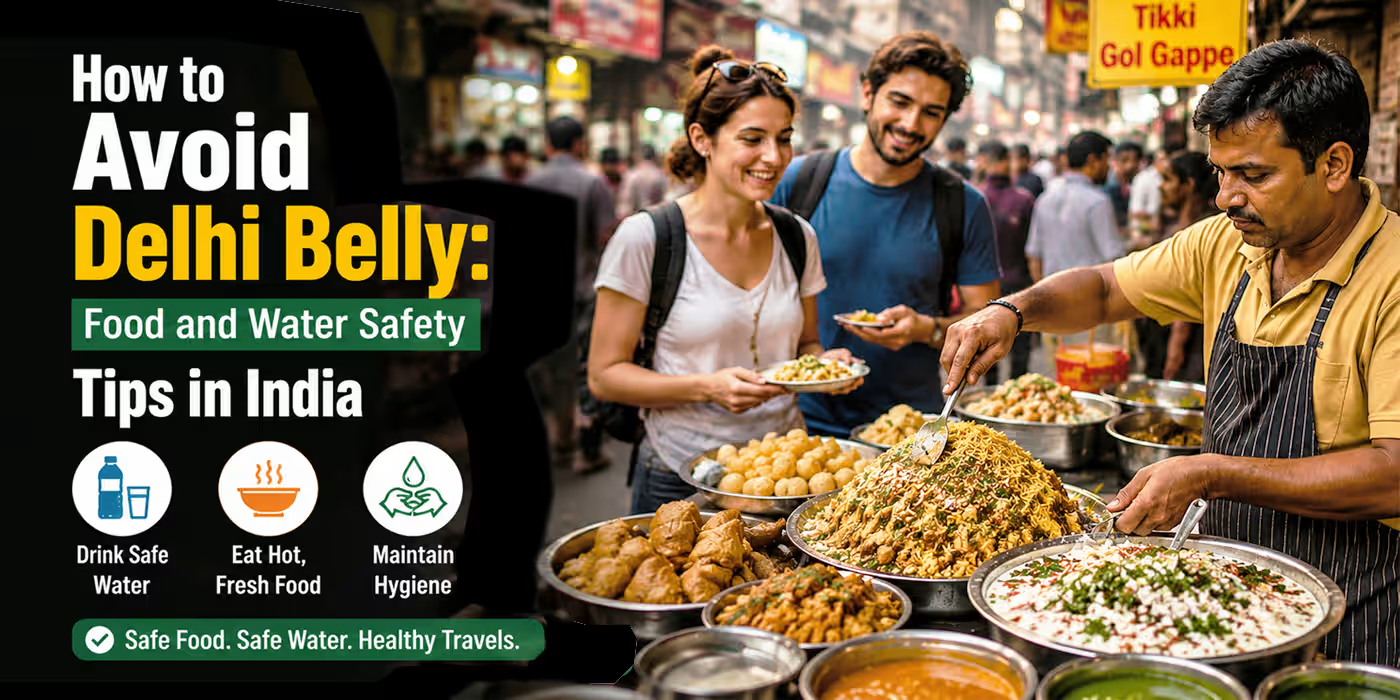
Street food is a highlight of Indian travel, but first-timers should ease into it thoughtfully. Start with busy, high-turnover places that look clean and popular with locals, drink bottled or purified water, and avoid anything that seems risky if your stomach is still adjusting. A cautious start often means a happier trip.
5. Learn a few local etiquette basics
Small gestures matter a lot in India. Using your right hand for eating and passing items, avoiding feet pointing at people or sacred objects, and removing shoes where expected all show cultural awareness. You do not need to be perfect, but making the effort earns goodwill quickly.
6. Keep your safety routine simple
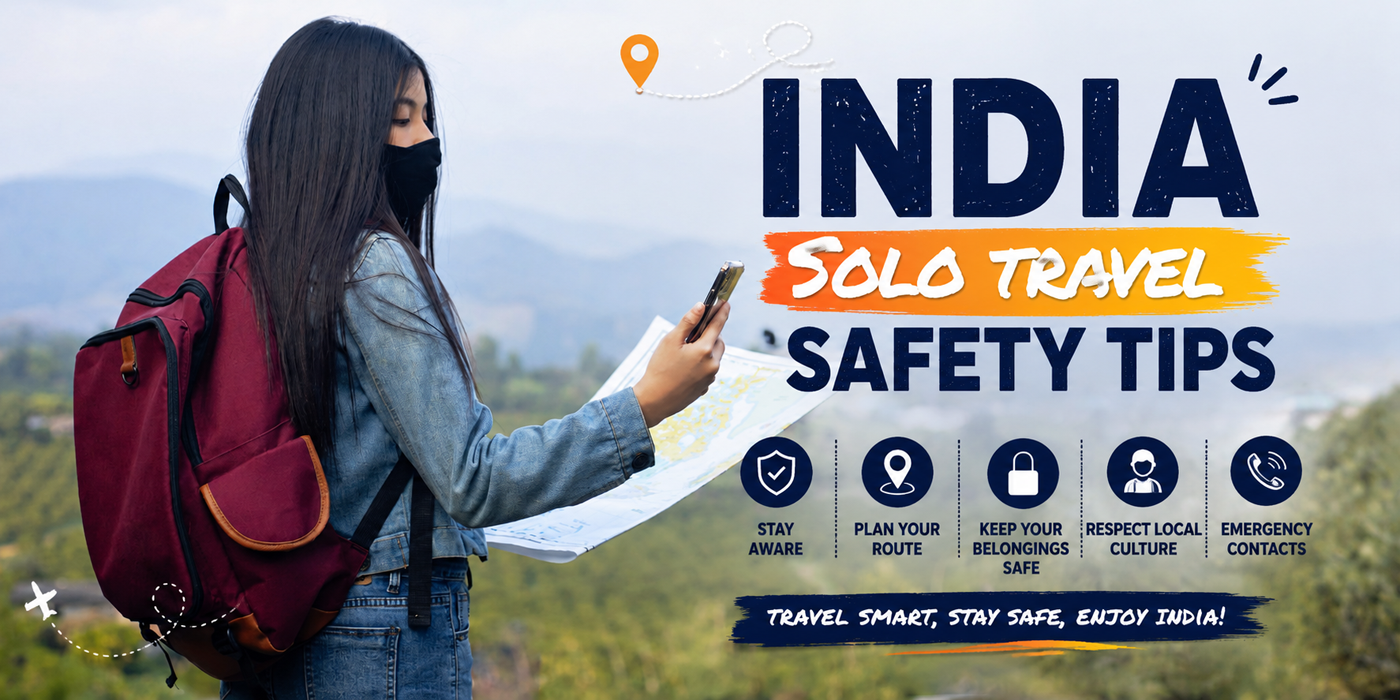
Most first-time visitors do best with a basic safety rhythm: carry only what you need, keep valuables secure, stay alert in crowded areas, and use trusted transport options, especially after dark. Confidence matters, but so does caution. Calm, firm body language usually works better than hesitation in busy public spaces.
7. Expect noise, crowds, and sensory overload
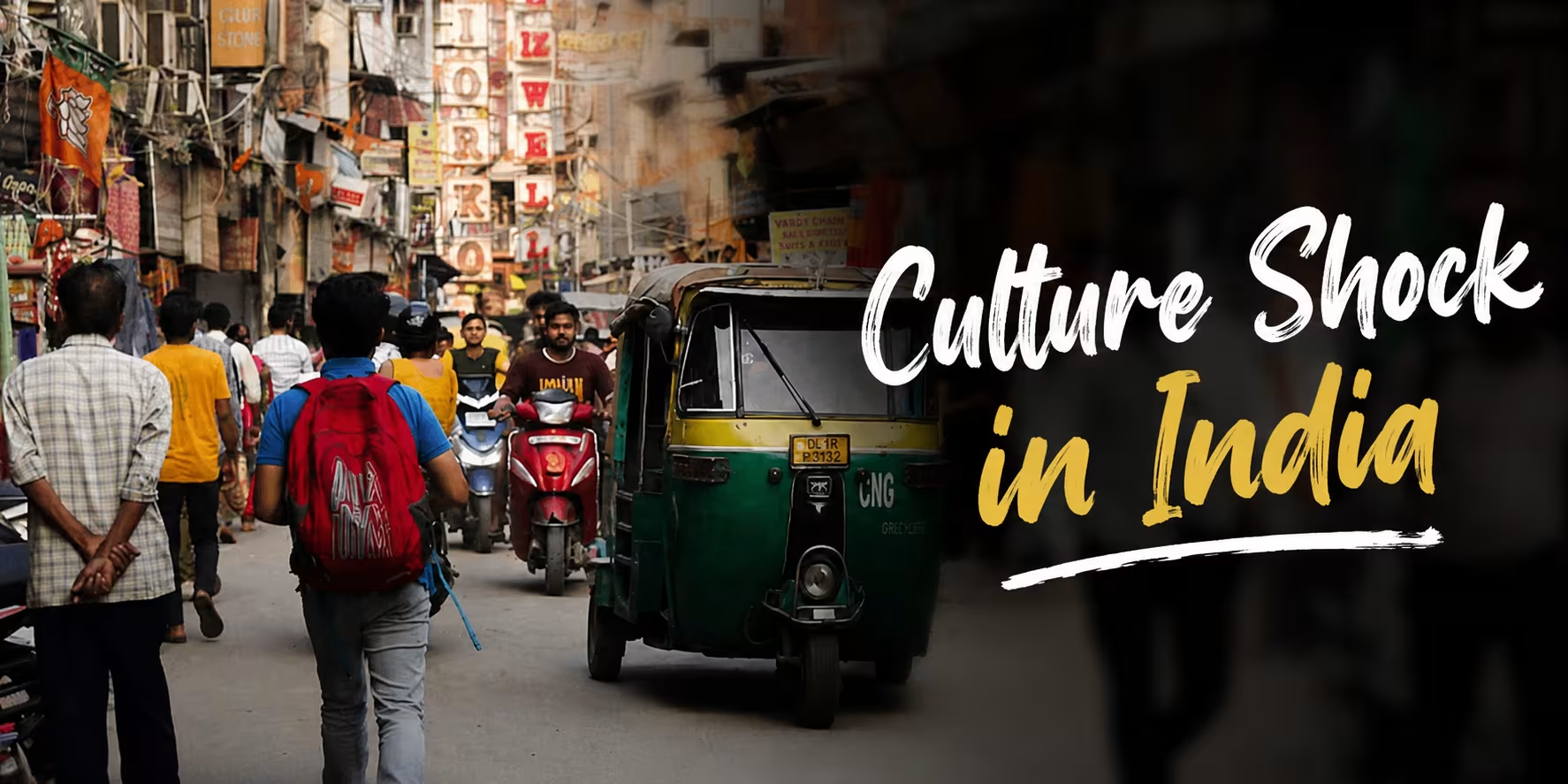
India is rarely quiet, and that is part of its character. Traffic horns, market calls, temple bells, train stations, and packed streets can feel intense at first, especially if you are arriving from a calmer destination. A good pair of earphones, a slower pace, and a sense of humor go a long way.
8. Watch out for overly convenient offers
If something sounds unusually cheap, unusually easy, or unusually “special,” pause and check the details. Scams often rely on urgency and trust, especially around shopping, transport, and tourist services. It is safer to verify prices, ask questions, and buy from established businesses when you are unsure.
9. Use transport strategically
Trains, flights, taxis, auto-rickshaws, and app-based cabs all have their place, but the best option depends on distance, budget, and time. For first-time visitors, mixing transport types often works better than relying on one mode for everything. For example, a domestic flight may save energy on a long route, while a pre-booked cab can simplify airport transfers and city movement.
10. Leave room for spontaneity
Some of the best India memories come from unplanned moments: a local festival, a chai stop, a sudden view from a fort, or an unexpected conversation. If your schedule is too rigid, you may miss the very experiences that make India feel alive. Build in breathing space so the trip can surprise you.
People Also Ask
Is India safe for first-time tourists?
Yes, India can be safe for first-time tourists when you use common sense, stay aware in crowded places, and plan transport and accommodation carefully. Many travel guides emphasize practical caution rather than fear.
What should first-time visitors not do in India?
Avoid overpacking your itinerary, drinking unsafe water, ignoring local customs, and assuming travel times will be quick. These are some of the most common beginner mistakes.
What is the best way to travel around India?
There is no single best option. For long distances, flights and trains are often the most efficient; for short city hops, trusted taxis or app-based rides are usually easier.
FAQ
- What is the best first-time travel tip for India?
The most useful tip is to slow down your itinerary. India rewards travelers who move at a realistic pace and stay flexible. - Should I drink tap water in India?
For most first-time visitors, bottled or purified water is the safer choice. That simple habit can save you from stomach trouble early in the trip. - Do I need to dress conservatively in India?
In many places, yes. Modest clothing is a respectful and practical choice, especially at religious sites and in smaller towns. - Is street food worth trying?
Absolutely, but choose carefully. Busy, clean-looking stalls with high turnover are generally better bets for newcomers than empty or questionable spots.
Conclusion
India is not a destination to rush through; it is a place to experience with curiosity, patience, and a little humility. If you travel with awareness, respect the rhythm of the country, and leave space for the unexpected, your first visit can become the kind of journey you remember for years.