Scuba Diving in India: Top Beaches & Islands to Explore
Dive Into India’s Underwater Paradise: Where Crystal Waters Meet Thrilling Adventures
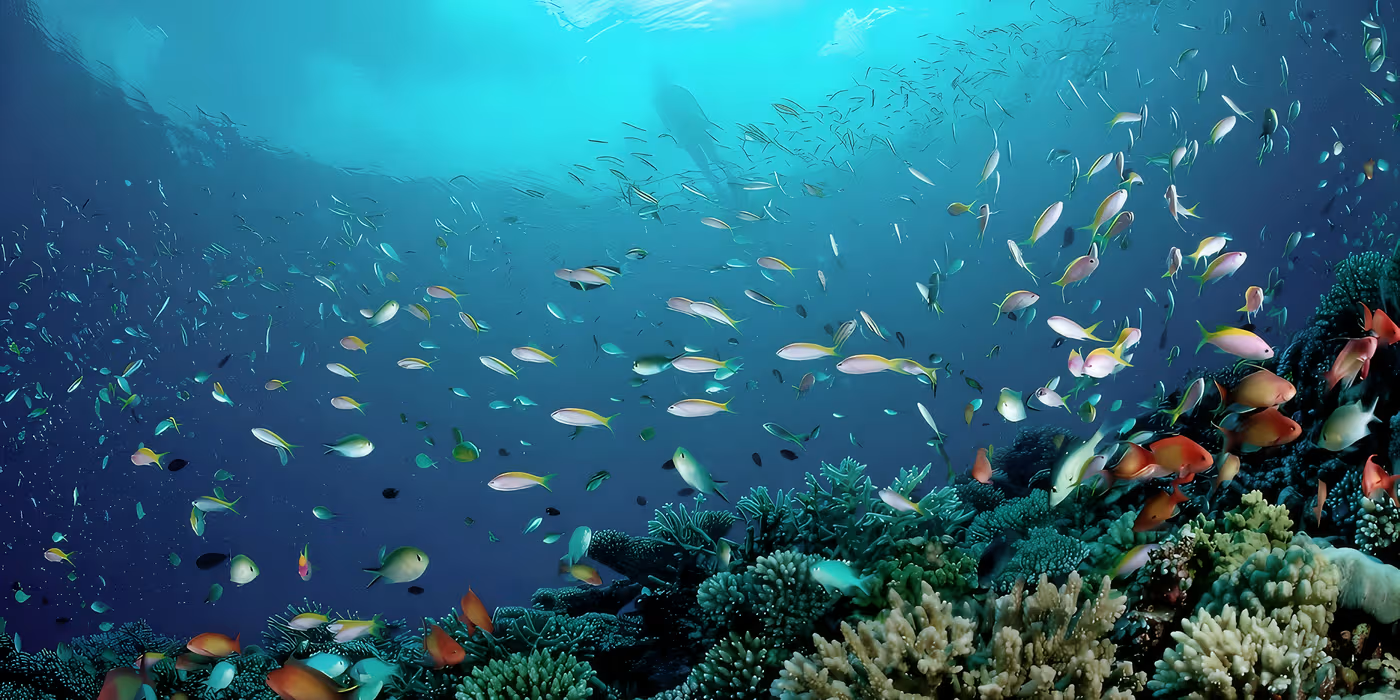
The moment your head slips below the surface at Elephant Beach, the world goes silent. Schools of neon-blue surgeonfish dart through coral branches. A green sea turtle glides past, completely unbothered by your presence. In that suspended instant, you understand why scuba diving in India has become the adventure everyone’s talking about.
India isn’t just about towering mountains and bustling cities. Beneath its 7,500 km coastline lies an underwater universe that rivals Southeast Asia’s best dive destinations—and many travelers haven’t even discovered it yet.
Whether you’re a first-time diver nervous about your first breath underwater or a certified diver hunting for whale sharks, India’s reefs, wrecks, and islands offer something extraordinary for every level.
Why India Belongs on Your Scuba Diving Bucket List
Unmatched Biodiversity in Pristine Waters
The Andaman and Nicobar Islands boast some of the healthiest coral reefs in the Indian Ocean, with visibility reaching 30–40 meters during peak season. Lakshadweep’s untouched lagoons host manta rays, reef sharks, and sea turtles that rarely see divers, keeping the experience genuinely wild.
Budget-Friendly Compared to Global Destinations
A complete beginner’s scuba diving course in Havelock costs ₹3,000–₹5,000, significantly cheaper than Thailand’s Phi Phi Islands or the Maldives. Even advanced dives rarely exceed ₹8,000 per trip, making India one of the most accessible premium diving destinations worldwide.
Year-Round Diving Across Different Regions
While the Andamans shine from October to May, Netrani Island on the west coast becomes spectacular during the monsoon (June–September) when nutrient-rich waters attract whale sharks. This means you can plan diving trips almost any month depending on which coast you choose.
The 7 Best Scuba Diving Destinations in India
1. Havelock Island (Swaraj Dweep), Andaman & Nicobar
The Crown Jewel of Indian Diving
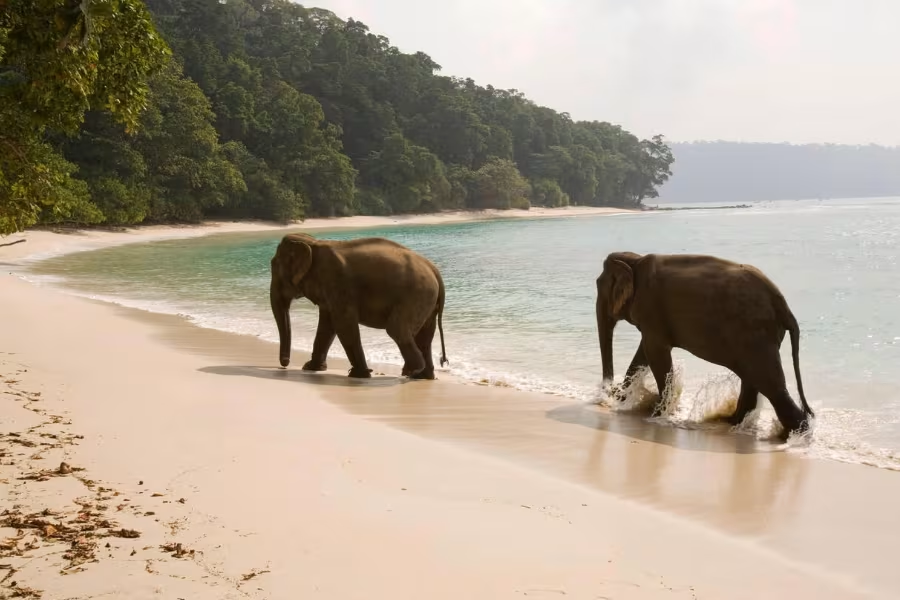
Havelock isn’t just the most popular scuba diving destination in India—it’s the reason many people first pick up a regulator. Three dive sites make this island legendary:
| Dive Site | Best For | Visibility | Marine Life Highlights |
|---|---|---|---|
| Elephant Beach | Beginners, snorkeling | 20–30m | Sea turtles, clownfish, colorful corals |
| Nemo Reef | All levels | 25–35m | Reef sharks, barracudas, giant groupers |
| North Bay Island | Wreck diving, advanced | 15–25m | Shipwrecks, tropical fish schools |
Why divers love it: Gentle currents, shallow reefs perfect for certification courses, and dive operators with PADI-certified instructors ensuring safety.
Best time to visit: November to May (peaks in December–February).
People Also Ask: Is Havelock safe for beginner scuba divers?
Yes. Elephant Beach and Nemo Reef have calm conditions ideal for first-time divers, with multiple dive schools offering guided introductory dives under certified supervision.
2. Lakshadweep Islands
India’s Hidden Marine Sanctuary
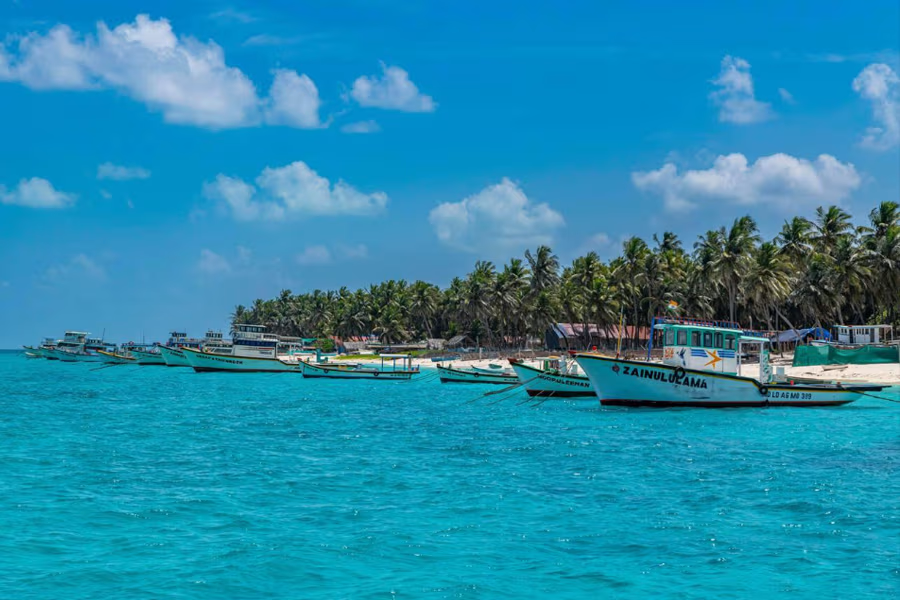
Reaching Lakshadweep requires permits and planning, but that’s exactly what keeps it pristine. Only Indian citizens can visit, and daily visitor numbers are limited—meaning you’ll often have entire reefs to yourself.
Top dive locations:
- Agatti Island: Vibrant coral gardens with visibility up to 35 meters
- Bangaram Atoll: Reef sharks, manta rays, and pristine lagoons
- Kadmat Island: Excellent for advanced divers seeking dramatic drop-offs
Unique experience: Night dives here reveal bioluminescent plankton and nocturnal creatures you won’t see elsewhere in India.
Best time: October to mid-May (monsoon closes most islands June–September).
3. Netrani Island (Pigeon Island), Karnataka
The “Pemba of India” on the West Coast
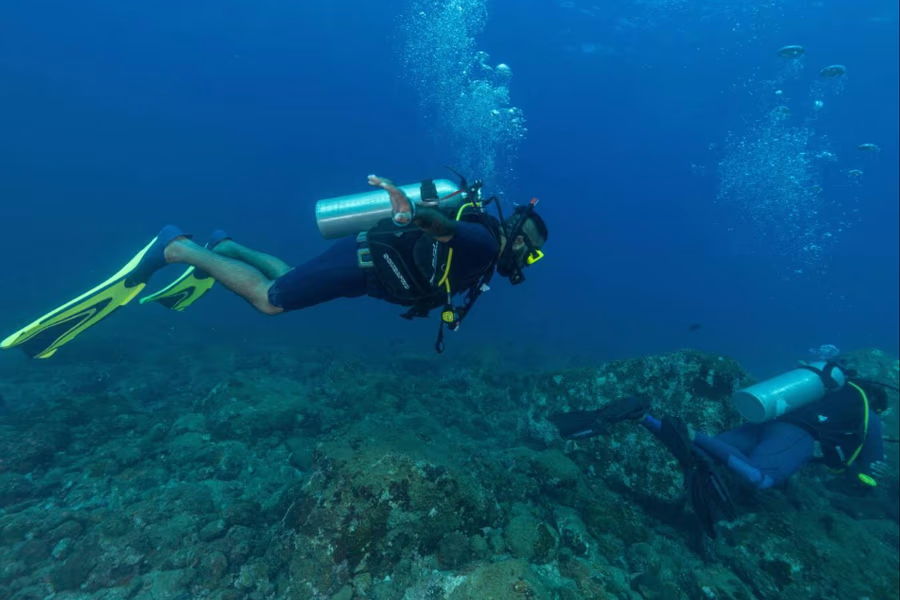
Located 15–20 km off Murudeshwar, this heart-shaped island surprises west-coast travelers with visibility rivaling the Andamans.
What makes it special:
- Whale shark sightings during monsoon (June–September)
- Barracudas, lionfish, parrotfish, and massive groupers year-round
- Less crowded than Andaman destinations
Pro tip: Book dives through certified operators like Aqua Ride who provide gear, meals, and safety briefings for both beginners and pros.
Best season: June to September for whale sharks; October–May for general diving.
4. Goa (Grande Island & Suzy’s Wreck)
Diving Beyond Nightlife
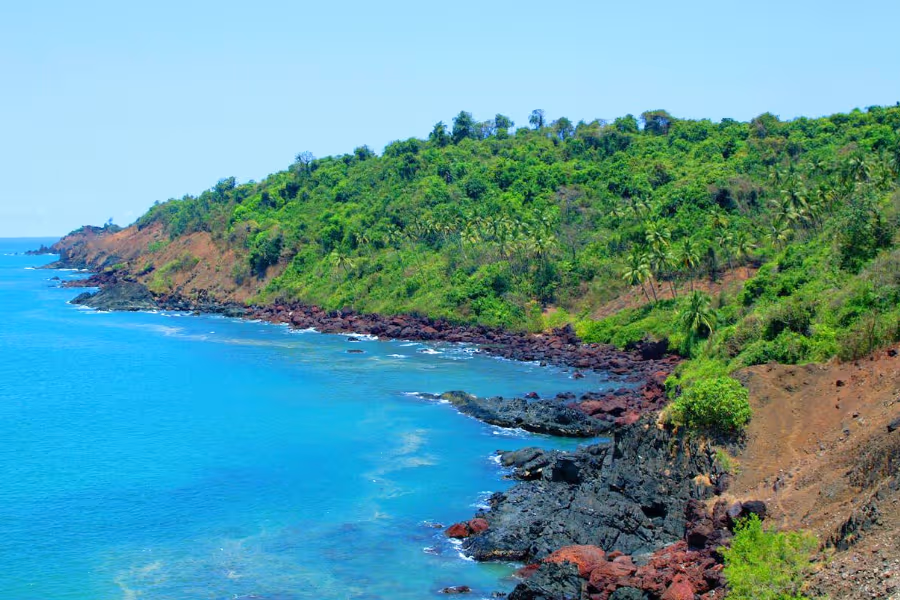
Most people know Goa for beach shacks and nightlife, but Grande Island hides underwater treasures that surprise first-time visitors.
Must-visit dive sites:
- Suzy’s Wreck: A 100-meter freighter sunk in 1992, now home to coral gardens and tropical fish
- Davy Jones Locker: Another wreck dive with excellent photo opportunities
- Coral Garden & Lobsters’ Avenue: Shallow reefs perfect for beginners
Reality check: Visibility ranges 10–20 meters (less than Andaman), but the historical wrecks and convenient access from Goa’s beaches make it worthwhile.
Best for: Beginners, wreck enthusiasts, travelers already visiting Goa for beaches.
Diving season: November to March.
5. Pondicherry (Puducherry)
The Rising Star of Southeast Coast Diving
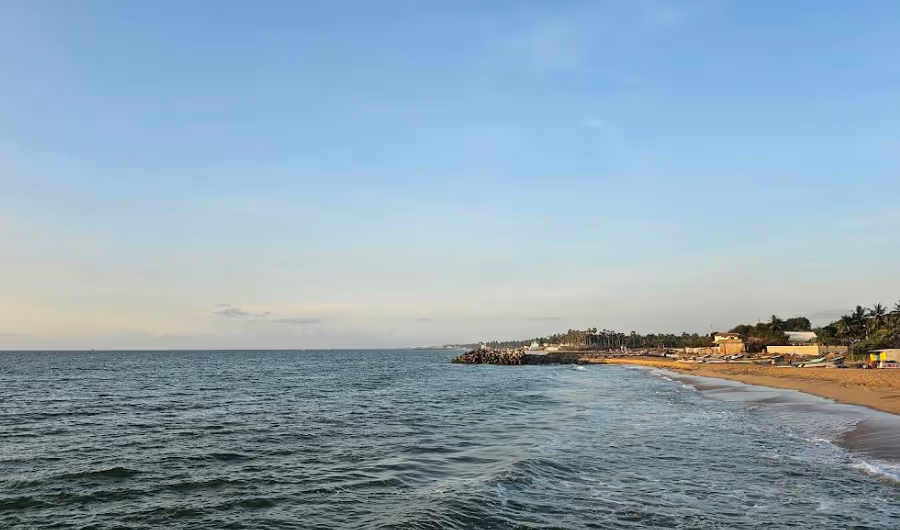
Pondicherry has quietly emerged as India’s most accessible diving destination for southeast travelers, with calm waters and newly created artificial reefs boosting marine biodiversity.
Highlight dive sites:
- Temple Reef: Man-made structures encouraging coral growth, attracting diverse species
- Shipwreck sites: Historical wrecks alongside natural reefs
Why choose Pondicherry: Multiple training schools make it ideal for certification, plus you can combine diving with the town’s French colonial charm.
Best time: October to May.
6. Neil Island (Shaheed Dweep), Andaman
Quiet Alternative to Havelock
Just 35 km from Havelock, Neil Island offers similar marine life without the crowds. Coral formations here remain exceptionally healthy, and dive operators provide personalized attention due to lower tourist volumes.
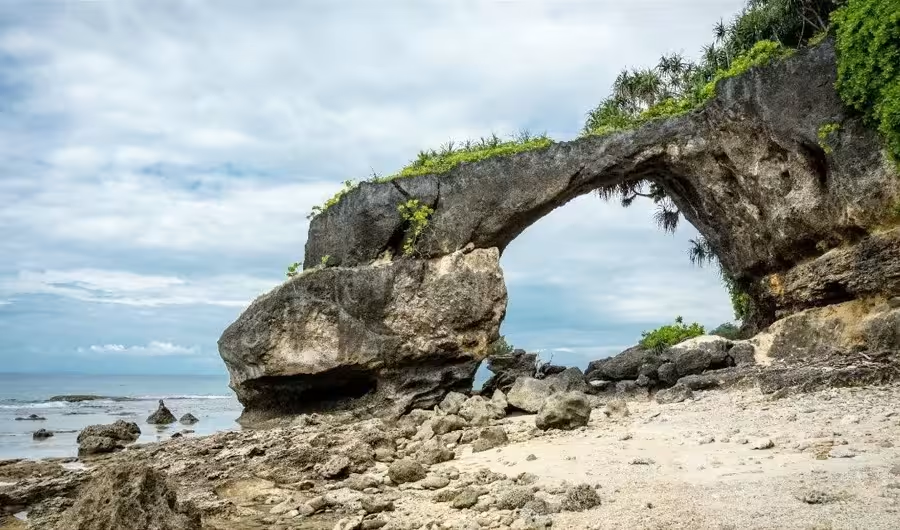
Best dive spots: Bamboo Plaza and Government Beach offer gentle slopes perfect for first dives.
7. Tarkarli, Maharashtra
Konkan Coast’s Beginner-Friendly Gem
Near Sindhudurg Fort, Tarkarli features shallow waters ideal for snorkeling and introductory scuba experiences. Vibrant coral patches and schools of small fish provide excellent introductions to India’s marine biodiversity.
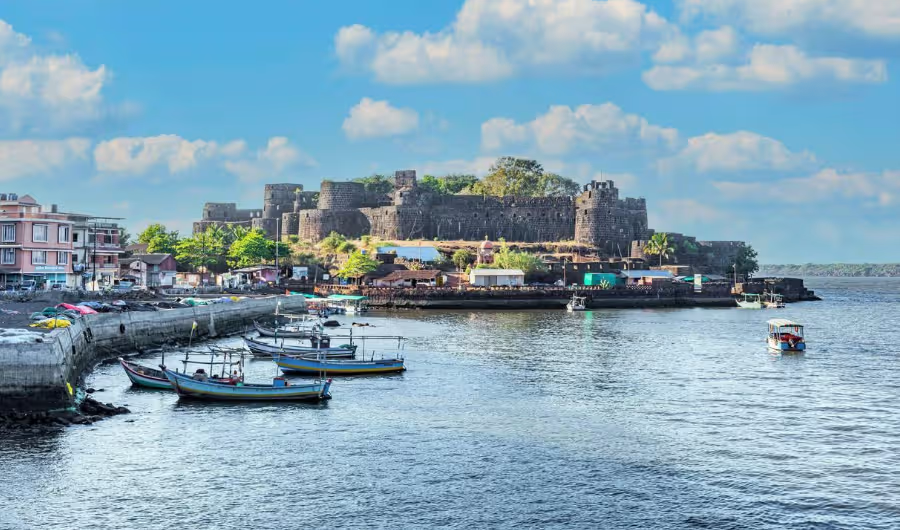
Perfect for: Families, absolute beginners, day-trippers from Mumbai.
Advanced Divers: India’s Most Extreme Underwater Experiences
Barren Island Volcano Dive, Andaman
The only active volcano in South Asia creates otherworldly underwater landscapes with lava formations and unique marine adaptations. Only for certified advanced divers with wreck/volcano experience.
Kovalam, Kerala
Rocky reefs and small wreck sites host clownfish, parrotfish, and stingrays. Visibility is moderate but marine life is rich.
Dwarka, Gujarat
Emerging destination featuring submerged ancient structures believed to be part of Lord Krishna’s mythical city—divers explore marine life alongside fascinating underwater ruins.
Scuba Diving Costs in India
| Experience Level | Price Range (INR) | What’s Included |
|---|---|---|
| Introductory Dive (Resort Course) | ₹3,000–₹5,000 | Gear, brief training, guided dive (1 bathymetry) |
| PADI Open Water Certification | ₹18,000–₹25,000 | 4 days, 3–4 dives, certification card |
| Advanced Open Water | ₹22,000–₹30,000 | 5 additional dives, specialty courses |
| Daily Dive (Certified) | ₹4,000–₹8,000 | 2 dives, gear, boat, guide |
| Whale Shark Encounter (Netrani) | ₹6,000–₹9,000 | Seasonal (June–Sept), includes boat transfer |
Prices vary by operator and season. Always verify insurance coverage and certification validity.
When Should You Go Scuba Diving in India?
The diving season depends entirely on which coast you choose:
| Destination | Best Months | Worst Months |
|---|---|---|
| Andaman Islands | November–May | June–September (monsoon) |
| Lakshadweep | October–mid-May | June–September (closures) |
| Netrani Island | June–September (whale sharks) | December–February (rough seas) |
| Goa | November–March | June–September |
| Pondicherry | October–May | June–September |
Rule of thumb: October to May works for most east coast destinations, while west coast shines during monsoon.
People Also Ask: Scuba Diving in India
- Is scuba diving safe in India for beginners?
Yes. Reputable operators in Havelock, Netrani, and Pondicherry use PADI-certified instructors, provide comprehensive safety briefings, and maintain equipment to international standards. Always choose operators with proper licensing and emergency protocols. - Do I need prior experience to try scuba diving?
No. Introductory resort courses require no experience—instructors teach breathing techniques, equalization, and hand signals before your first breath underwater. Most first dives happen at 5–12 meters depth. - What certification do I need for advanced dives?
PADI Open Water Diver (entry-level) allows dives to 18 meters. Advanced Open Water certification enables deeper dives (30m) and specialty experiences like night diving or wreck exploration. - Can I combine scuba diving with other activities?
Absolutely. Most destinations offer beach relaxation, snorkeling, island hopping, and local cultural experiences. Havelock combines diving with Radhanagar Beach (Asia’s top beach), while Goa pairs diving with nightlife and cuisine. - How do I choose a reliable dive operator?
Look for:
-
- PADI/SSI certification displayed prominently
- Positive reviews on Google/ TripAdvisor
- Clear safety protocols and emergency equipment
- Transparent pricing with no hidden fees
Essential Tips for Your First Indian Scuba Adventure
Before You Book
- Check certifications: Ensure operators are PADI or SSI accredited
- Verify insurance: Many policies don’t cover diving—purchase specialized dive insurance
- Read recent reviews: Current conditions change; recent traveler feedback matters most
Packing Essentials
- Rash guard (sun protection + reef-safe)
- Water-resistant phone case for underwater photos
- Reef-safe sunscreen (chemical-free to protect corals)
- Personal medications and motion sickness tablets
- Light waterproof bag for wet gear
During Your Dive
- Breathe slowly: Rapid breathing wastes air and increases anxiety
- Equalize early: Equalize pressure before feeling discomfort
- Stay close to your guide: Currents can be stronger than expected
- Look up occasionally: Surface breaks help with orientation
After Your Dive
- Hydrate immediately: Dehydration increases decompression sickness risk
- Avoid flying: Wait 18–24 hours before flying after diving
- Share feedback: Help other divers by reviewing your operator honestly
Diving Responsibly: Protecting India’s Marine Ecosystems
India’s coral reefs face threats from climate change, pollution, and unsustainable tourism. Here’s how you can dive ethically:
☑ Never touch corals—even light contact kills polyps
☑ Maintain buoyancy—prevent accidental reef damage
☑ Use reef-safe sunscreen—oxybenzone and octinoxate bleach corals
☑ Don’t feed marine life—alters natural behaviors
☑ Choose eco-certified operators—support businesses investing in conservation
The Andaman and Lakshadweep reefs are some of the Indian Ocean’s healthiest—your choices help keep them that way.
Final Dive: Why India’s Underwater World Will Change You Forever
Scuba diving in India isn’t just about checking off another adventure sport. It’s about the moment a sea turtle glides past your mask at Elephant Beach, completely trustful. It’s about standing on Netrani’s deck at dawn, waiting for whale sharks to appear. It’s about exploring Suzy’s Wreck in Goa, where history and nature converge beneath the waves.
India’s dive destinations offer something rare: world-class marine biodiversity without the crowding and costs of Southeast Asia’s most famous spots. Whether you’re diving in Andaman’s crystal lagoons, Lakshadweep’s untouched atolls, or Karnataka’s whale shark waters, you’re experiencing an underwater wilderness that feels genuinely undiscovered.
Ready to take the plunge? Book your intro dive this season, get certified, and let India’s oceans reveal their secrets. The underwater world is waiting—and it’s more accessible than you think.
FAQ: Scuba Diving in India
Q: What is the best scuba diving destination in India for beginners?
A: Havelock Island’s Elephant Beach offers calm waters, shallow reefs, and certified instructors, making it ideal for first-time divers.
Q: How much does scuba diving cost in India?
A: Introductory dives range from ₹3,000–₹5,000. PADI Open Water certification costs ₹18,000–₹25,000.
Q: Which Indian destination offers whale shark diving?
A: Netrani Island (Karnataka) during June–September monsoon season.
Q: Is scuba diving safe during monsoon in India?
A: Generally no, except Netrani Island, which shines during monsoon due to whale shark migrations. Other destinations close due to rough seas.
Q: Do I need to be a strong swimmer to scuba dive?
A: Basic swimming comfort helps, but intro dives provide flotation devices and close instructor supervision. Medical fitness is more important than swimming ability.
Q: What’s the best time for scuba diving in Andaman?
A: November to May, with peak visibility December–February.
Q: Can foreigners visit Lakshadweep for diving?
A: No. Lakshadweep permits only Indian citizens, which keeps it pristine and less crowded.
Q: Are there age restrictions for scuba diving in India?
A: PADI Bubblemaker programs start at age 8. Open Water certification requires minimum age 10. No upper age limit if medically fit.