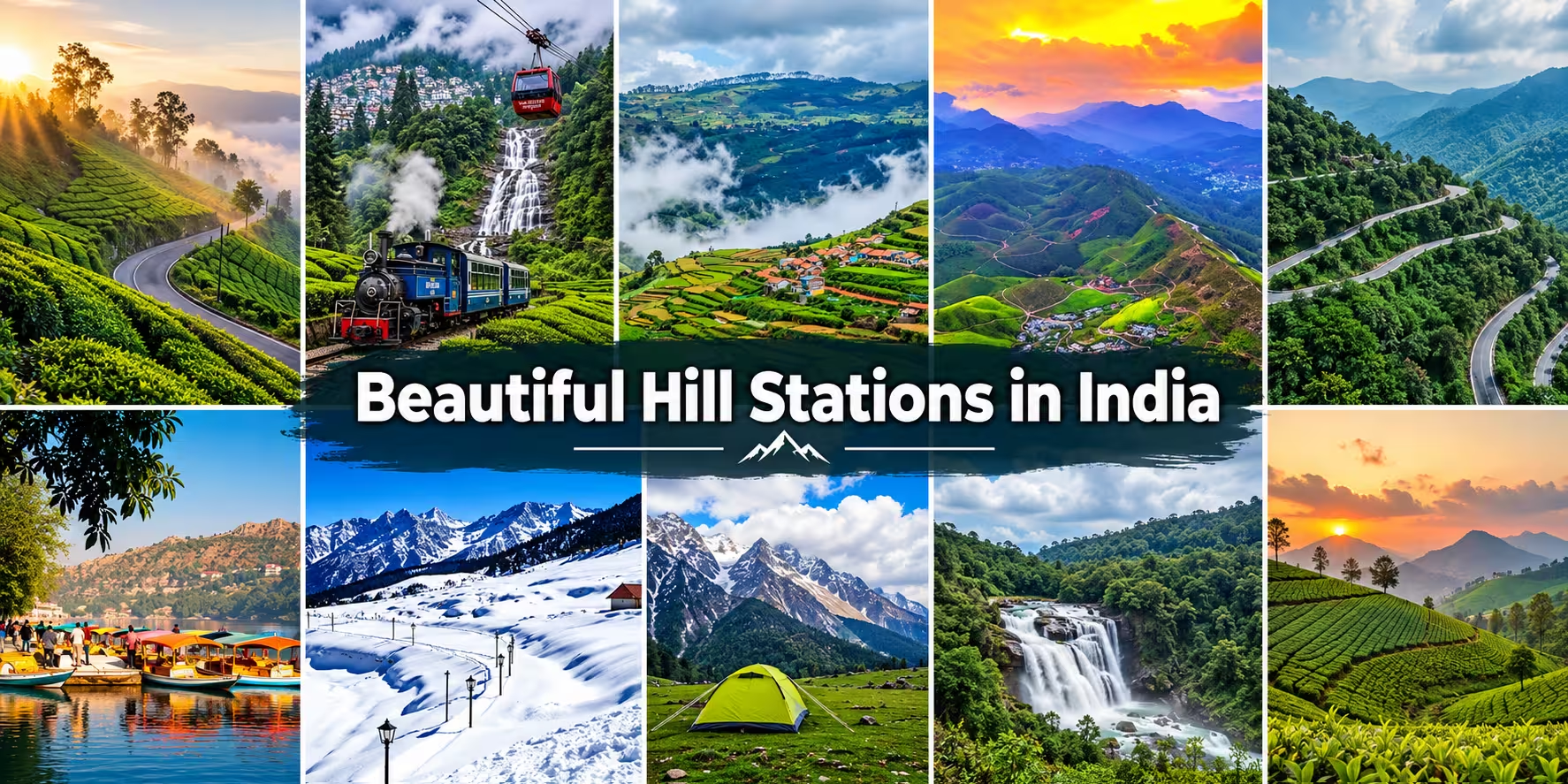
20 Beautiful Hill Stations in India Other Than Manali and Shimla
Every May, the same two names clog every travel feed: Manali and Shimla. Both are lovely, and both are packed. Bumper-to-bumper traffic on the Mall Road, hotel prices doubling overnight, and a queue just to click a photo at a viewpoint. If that is not your idea of a break, good news: India has hundreds of hill stations, and many of them are quieter, cheaper and, honestly, more beautiful.
This guide covers 20 of them, spread across the Himalayas, the Western Ghats, the Nilgiris, the Northeast and even the Aravallis. For each one you will find the best time to visit, how to get there, what is actually worth doing, and a practical tip or two. I have kept the details grounded in what is commonly reported by local tourism boards, travellers and the places themselves, so you can plan with confidence. Road conditions, permits and entry fees change, so always double-check the latest information before you book.
How these hill stations were chosen
I did not want this to be a copy-paste list of the usual suspects. Each place here made the cut because it ticks at least three of these boxes: genuine natural beauty, something distinctive (a toy train, a tea estate, a living culture), reasonable accessibility, a range of stays for different budgets, and enough to do for at least two days. I have also mixed in lesser-known names so that readers who have already done the popular circuit still find something new.
Quick comparison at a glance
| Hill Station | State / UT | Altitude | Best For | Best Season |
|---|---|---|---|---|
| Munnar | Kerala | 1,600 m | Tea gardens, honeymoons | Sept–March |
| Darjeeling | West Bengal | 2,042 m | Tea, toy train, Kangchenjunga views | Mar–May, Oct–Nov |
| Ooty | Tamil Nadu | 2,240 m | Families, gardens | Oct–June |
| Kodaikanal | Tamil Nadu | 2,133 m | Lakes, forests, calm | Sept–May |
| Mussoorie | Uttarakhand | 2,000 m | Weekend trips from Delhi | Mar–June, Sept–Nov |
| Nainital | Uttarakhand | 2,084 m | Lake town, scenic views | Mar–June, Sept–Nov |
| Auli | Uttarakhand | 2,800 m | Skiing, Himalayan views | Jan–Mar (snow), Apr–June |
| Dalhousie | Himachal Pradesh | 1,970 m | Colonial charm, Khajjiar | Mar–June, Sept–Nov |
| McLeod Ganj | Himachal Pradesh | 1,770 m | Tibetan culture, trekking | Mar–June, Sept–Nov |
| Kasauli | Himachal Pradesh | 1,927 m | Quick, quiet getaway | Year-round |
| Coorg (Madikeri) | Karnataka | 1,150 m | Coffee estates, waterfalls | Oct–March |
| Mount Abu | Rajasthan | 1,220 m | Temples, escape from desert heat | July–Sept, Oct–March |
| Lansdowne | Uttarakhand | 1,700 m | Peace, army heritage | Mar–June, Sept–Nov |
| Gulmarg | Jammu & Kashmir | 2,650 m | Gondola, skiing, meadows | Dec–Mar, May–Sept |
| Pahalgam | Jammu & Kashmir | 2,200 m | Rivers, valleys | Apr–Oct |
| Gangtok | Sikkim | 1,650 m | Monasteries, high-altitude lakes | Mar–June, Oct–Dec |
| Shillong | Meghalaya | 1,500 m | Waterfalls, nearby living-root bridges | Oct–May |
| Tawang | Arunachal Pradesh | 3,048 m | Monastery, mountain passes | Mar–June, Sept–Oct |
| Mahabaleshwar | Maharashtra | 1,353 m | Viewpoints, strawberries | Oct–June |
| Pachmarhi | Madhya Pradesh | 1,067 m | Caves, waterfalls, forests | Oct–March |
Altitudes are approximate and can vary slightly between sources.
1. Munnar, Kerala
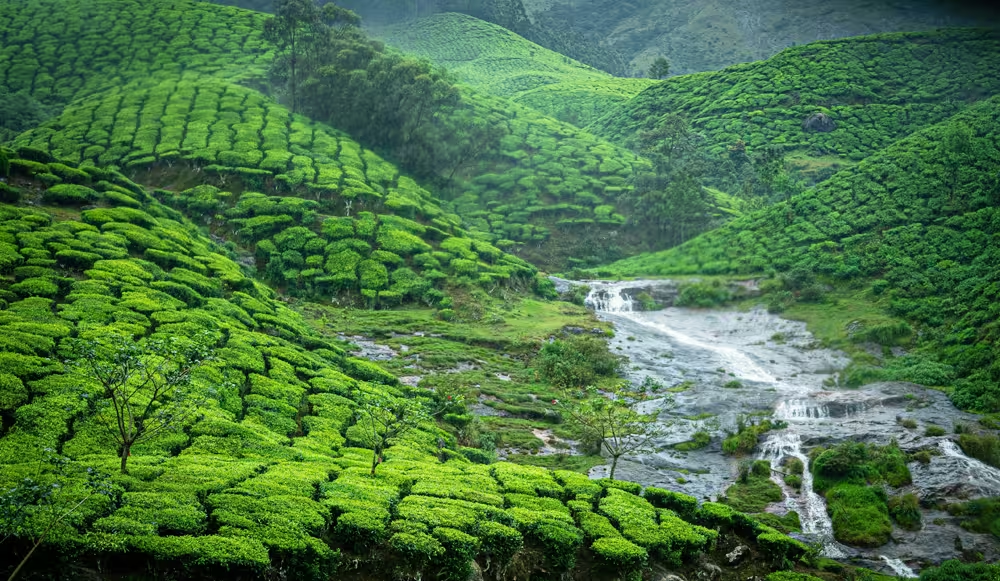
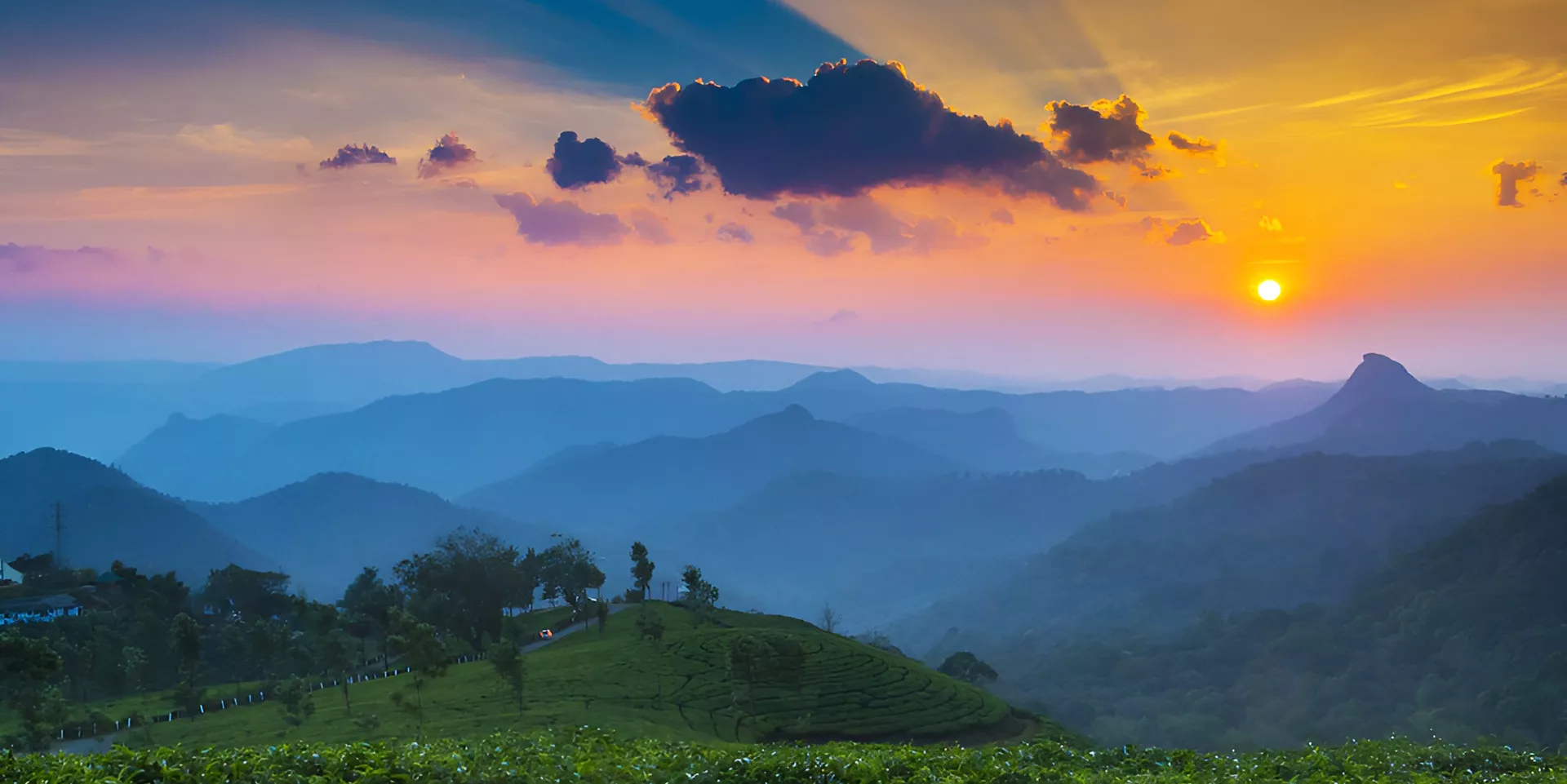
Munnar is what most people picture when they think of South India’s hills: endless, perfectly combed tea slopes rolling into the mist. Once the summer retreat of British planters, the town now sits at roughly 1,600 meters in the Western Ghats.
Best time to visit: September to March. Monsoon (June to August) is gorgeous but landslides can disrupt roads.
How to get there: The nearest major airport is Cochin International, around 110 km away, and the drive takes about four hours. Ernakulam and Aluva are the convenient railheads.
What to do: Walk through the tea estates, visit Eravikulam National Park (home to the endangered Nilgiri tahr), see Mattupetty Dam and head up to Top Station for a sweeping view across the Tamil Nadu border. If you are lucky enough to time it right, the Neelakurinji, a shrub that blooms only once every twelve years, turns the hills violet (the last big bloom was in 2018).
Local tip: Book Eravikulam tickets early in peak season, and try the Tata Tea Museum if you want to understand how the plantations shaped the town.
2. Darjeeling, West Bengal
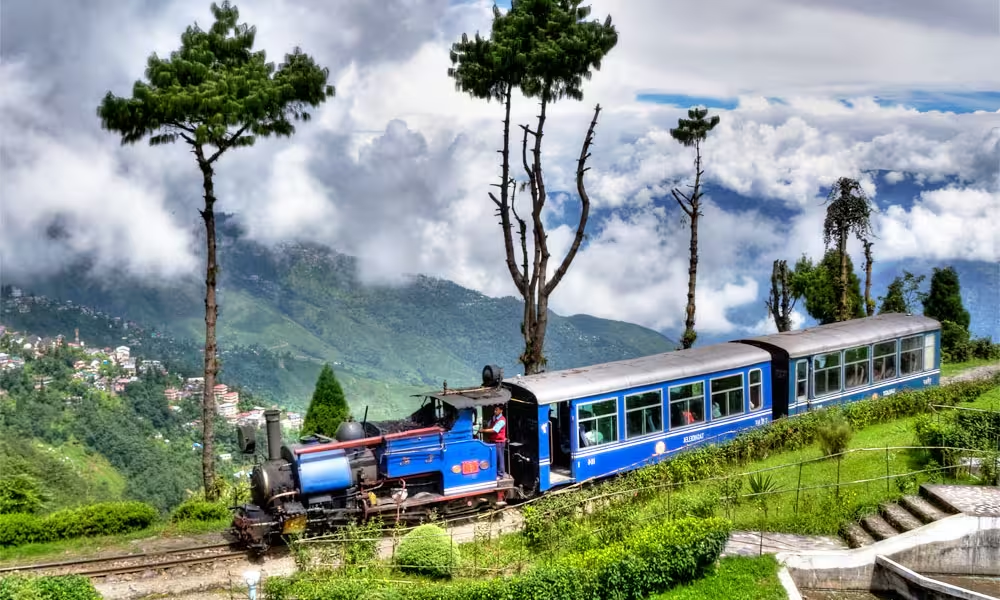
Darjeeling is not just a place, it is a feeling: the smell of fresh Second Flush, a cup rattling on the table as the toy train whistles past, and Kangchenjunga turning pink at dawn. The Darjeeling Himalayan Railway was recognized as a UNESCO World Heritage Site in 1999.
Best time to visit: March to May and October to November for clear mountain views.
How to get there: New Jalpaiguri (NJP) is the main railhead, about 70 km away; Bagdogra is the closest airport at roughly 90 km.
What to do: Catch sunrise at Tiger Hill, ride the toy train to Ghum, tour the Happy Valley Tea Estate, visit the Himalayan Mountaineering Institute (set up in 1954, with Tenzing Norgay as its first Director of Field Training) and spend an evening on Chowrasta watching the town go by.
Local tip: Tiger Hill is crowded and cloud cover can ruin the view. Check the weather the night before, and consider Batasia Loop as a calmer alternative.
3. Ooty, Tamil Nadu
Ooty (Udhagamandalam) is the Queen of the Nilgiris and, yes, it can be touristy. But step away from the lake and the main bazaar and the old charm is still there: eucalyptus-lined roads, colonial bungalows and cold, clean air.
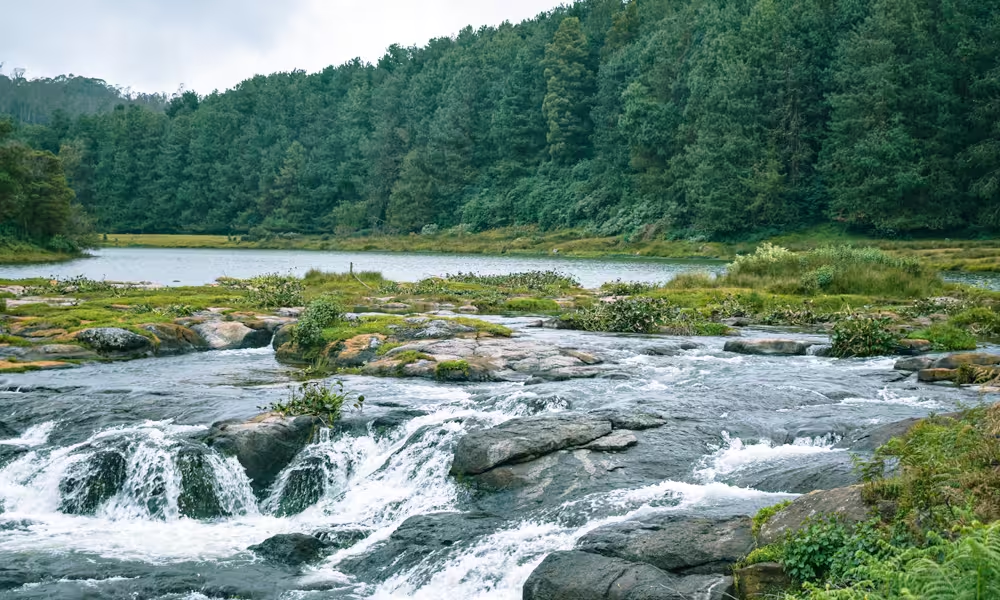
Best time to visit: October to June.
How to get there: Coimbatore is the nearest airport and a main railhead, about 90 km away. The Nilgiri Mountain Railway from Mettupalayam, a UNESCO World Heritage Site since 2005, is the most scenic way up.
What to do: Visit the Government Botanical Garden (laid out in 1848), climb Doddabetta Peak, the highest point in the Nilgiris at around 2,637 m, and take a boat out on Ooty Lake. Drive out to Avalanche or Pykara for fewer crowds.
Local tip: Ride the toy train at least one way. Book on the IRCTC website in advance, as seats fill quickly.
4. Kodaikanal, Tamil Nadu
If Ooty is the busy older sibling, Kodaikanal is the quieter, more introspective one. The town wraps around a star-shaped lake, with pine forests, shola woodlands and huge drops into the Palani Hills.
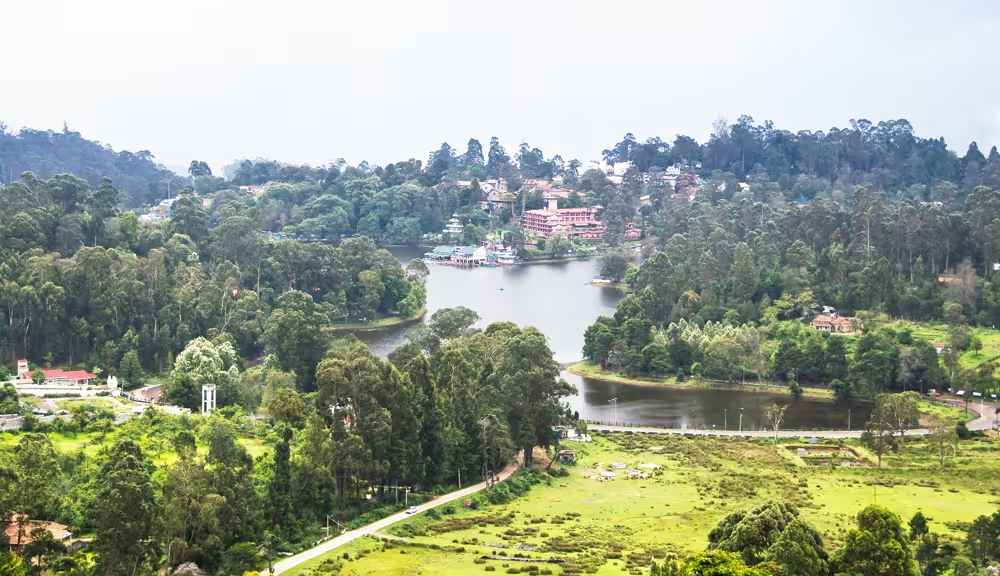
Best time to visit: September to May.
How to get there: Madurai airport is about 120 km away. Kodai Road is the nearest railhead, around 80 km from town.
What to do: Walk or cycle around Kodai Lake, stand at Coaker’s Walk when the clouds roll in, see the Pillar Rocks and Guna Caves, and drive to Berijam Lake (entry needs a forest department permit, so check at the Forest Office in town).
Local tip: The weather turns quickly. Carry a light jacket even in summer.
5. Mussoorie, Uttarakhand
Mussoorie is the closest real hill escape for Delhi and Dehradun, so weekends get busy. But go midweek, and head up towards Landour, and you will find the Mussoorie that writers like Ruskin Bond fell in love with.
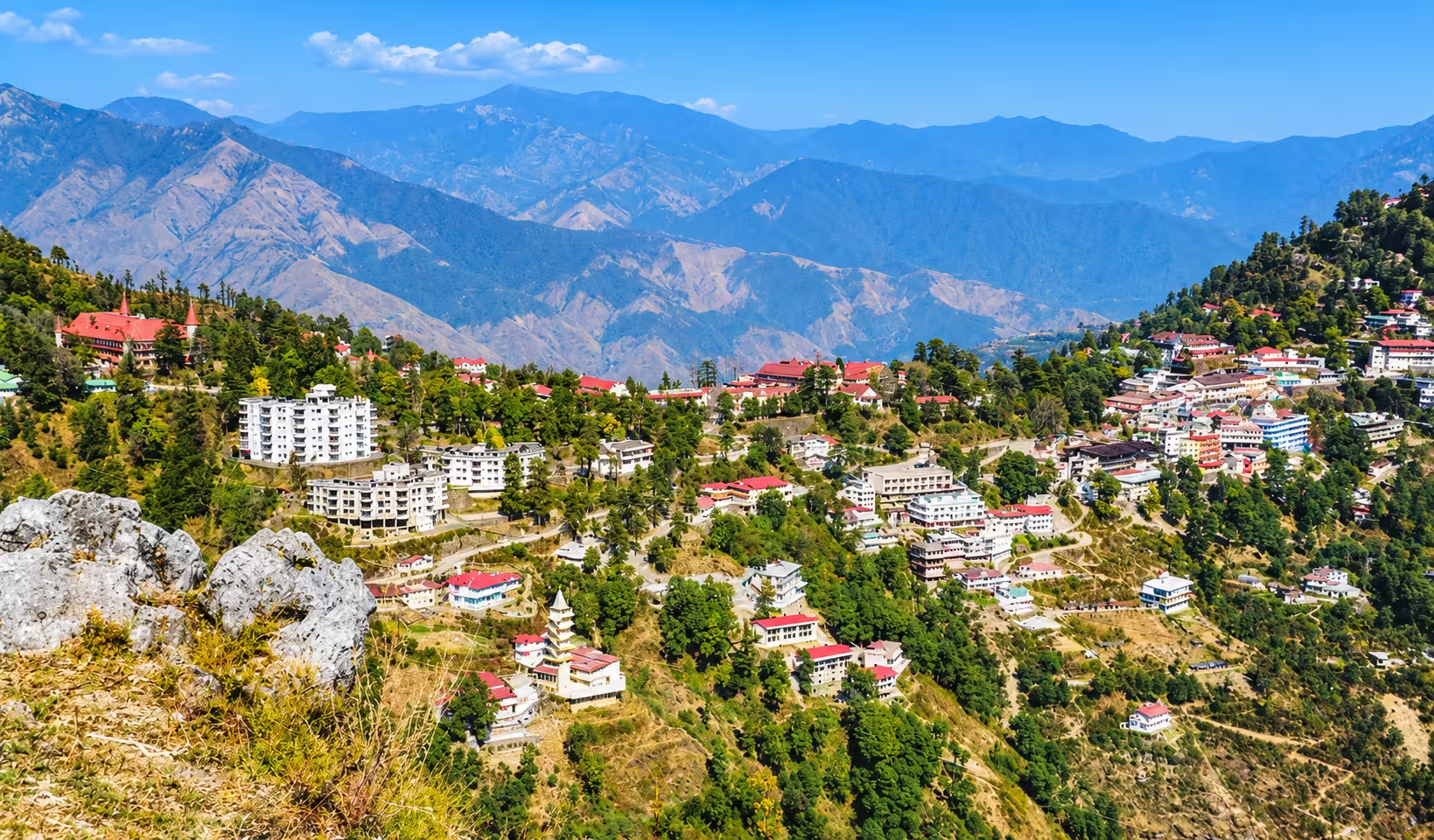
Best time to visit: March to June and September to November. Winters can bring snow, and it gets cold.
How to get there: Dehradun is around 35 km away, and Jolly Grant Airport is about 60 km from Dehradun side.
What to do: Walk Camel’s Back Road, visit Kempty Falls early in the morning to beat the crowds, climb Lal Tibba for Himalayan views and spend a slow afternoon in Landour with a pancake and a cup of chai.
Local tip: Avoid Saturday drives into the town if you can. Traffic jams on the Dehradun road are common.
6. Nainital, Uttarakhand
Built around the pear-shaped Naini Lake, Nainital has an easy, lived-in charm. Boats drift across the water, the Mall Road hums in the evening and the hills rise on every side.
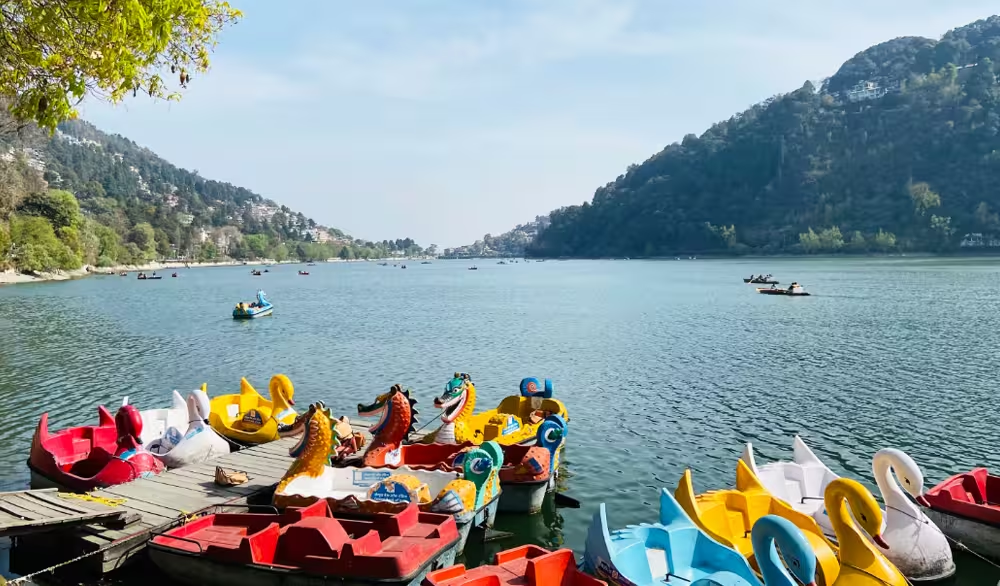
Best time to visit: March to June and September to November.
How to get there: Kathgodam is the nearest railhead, about 35 km away, and Pantnagar is the closest airport.
What to do: Take a boat ride on the lake, visit the Naina Devi Temple, ride the ropeway to Snow View Point, and take day trips to Bhimtal, Sattal and Mukteshwar.
Local tip: Stay slightly away from the Mall Road for a calmer experience. Bhowali and Ramgarh nearby have charming orchard stays.
7. Auli, Uttarakhand
Auli is India’s best-known ski destination, and it earns the reputation. In winter, the meadows turn into smooth white slopes with Nanda Devi and Mana Parvat standing guard. In summer, they are green and quiet.
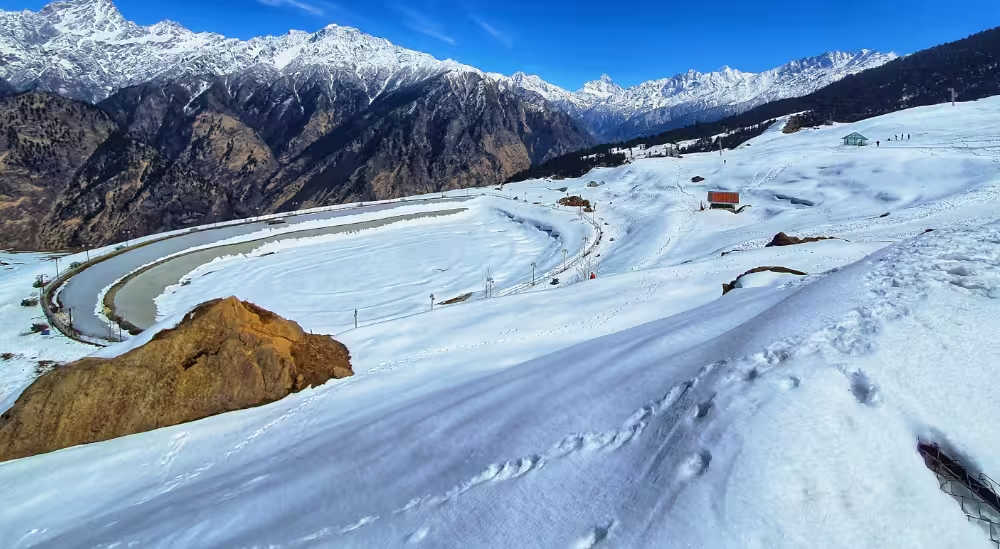
Best time to visit: January to March for snow. April to June for clear views and hiking.
How to get there: Joshimath is about 16 km away. The nearest airport is Jolly Grant in Dehradun and the nearest railhead is Haridwar or Rishikesh, all at a long drive away.
What to do: Ski (beginner courses run in season), take the Auli gondola from Joshimath, trek to Gorson Bugyal and visit Chattrakund Lake.
Local tip: Check road status around Joshimath, which has seen land subsidence concerns in recent years. Local authorities and the GMVN tourism office are the best source for current conditions.
8. Dalhousie, Himachal Pradesh
Dalhousie spreads across five hills and still wears its colonial age proudly, from stone churches to old cottages. It is much calmer than Shimla and feels more like a small town than a tourist circus.
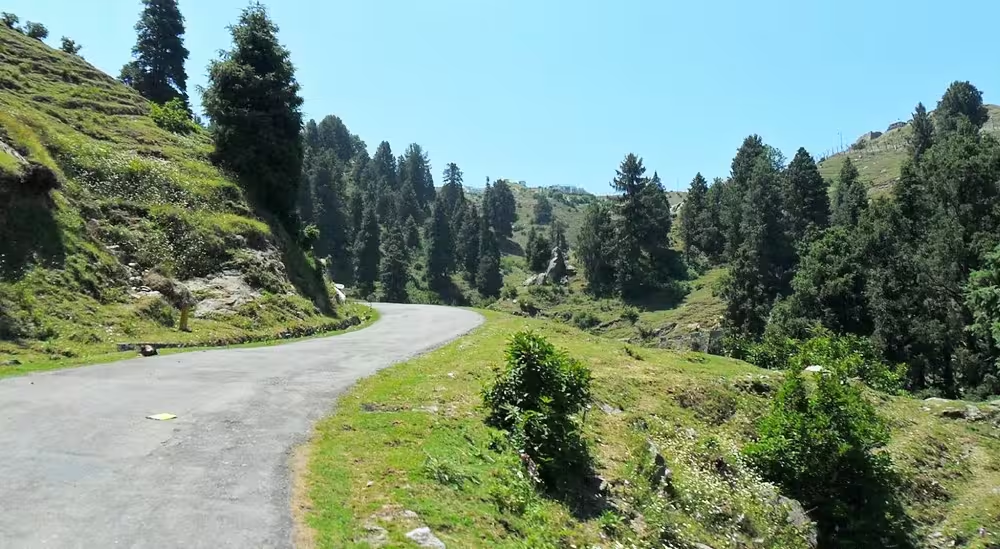
Best time to visit: March to June and September to November.
How to get there: Pathankot is the nearest railhead, around 80 km away. Pathankot also has a small airport, but Amritsar and Chandigarh offer more flights.
What to do: Visit Khajjiar, about 24 km away and nicknamed Mini Switzerland, walk to Panchpula, see Subhash Baoli and explore the old churches.
Local tip: Combine Dalhousie with Chamba and Khajjiar over three days for a complete trip.
9. McLeod Ganj and Dharamshala, Himachal Pradesh
McLeod Ganj is the home of the Dalai Lama, and the Tibetan influence is everywhere: prayer flags, maroon-robed monks, momo stalls and a slow, spiritual calm. The Dhauladhar range rises just behind it.
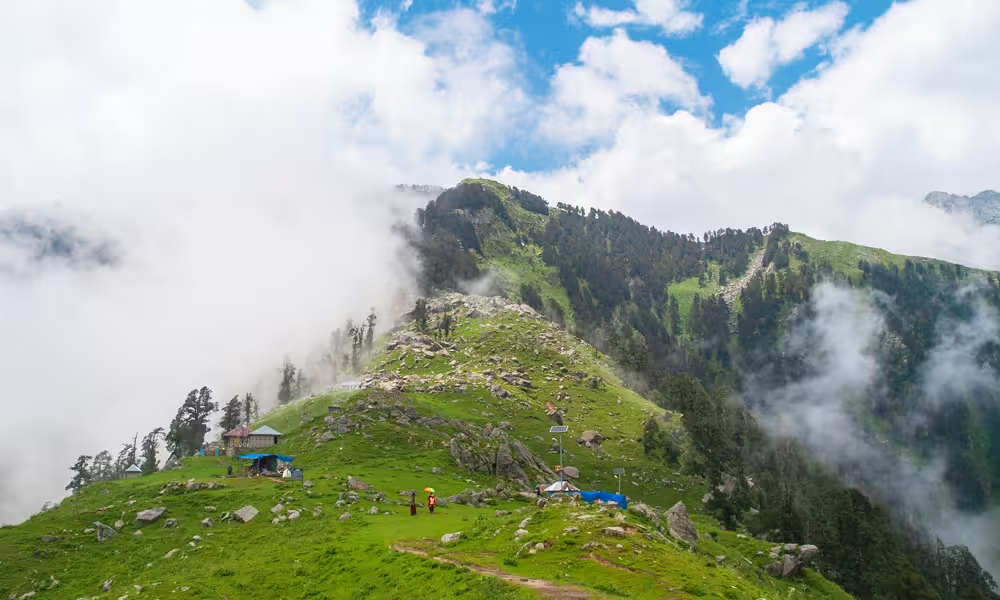
Best time to visit: March to June and September to November.
How to get there: Gaggal Airport is around 15 km from Dharamshala. Pathankot is the main railhead, roughly 85 km away.
What to do: Visit the Namgyal Monastery and Tsuglagkhang Complex, walk to Bhagsu Waterfall, trek to Triund (a popular day trek of roughly 9 km one way) and watch a cricket match at the HPCA Stadium if you happen to be there at the right time.
Local tip: Start the Triund trek early. Weather in the afternoon changes fast, and camping is regulated, so check the local rules.
10. Kasauli, Himachal Pradesh
Kasauli is small, quiet and refreshingly low-key. It has a cantonment feel, with tidy lanes, old British-era buildings and pine forests. There is no big sightseeing list here, and that is the appeal.
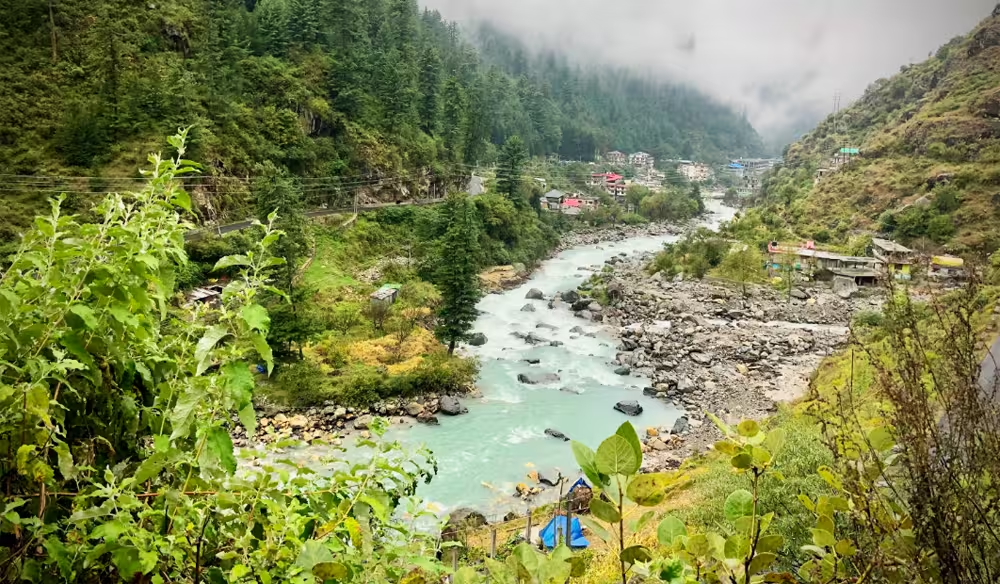
Best time to visit: Year-round, though winters are chilly.
How to get there: About 1.5 to 2 hours by road from Chandigarh, which has the closest airport. Kalka is the nearest railhead.
What to do: Walk to Monkey Point, visit Christ Church, wander the Mall and sit in a cafe with a book.
Local tip: Weekends are busier. If you want silence, come on a weekday.
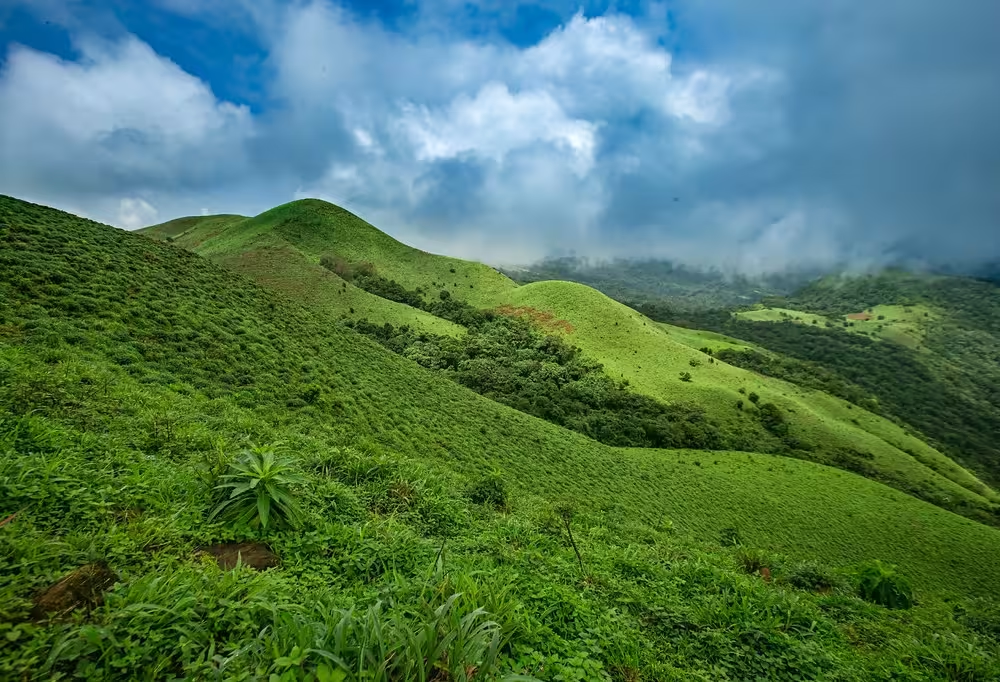
11. Coorg (Kodagu), Karnataka
Coorg smells like coffee. The hills here are covered in estates, spice plantations and dense forests, and many homestays are run by families who have farmed here for generations. The Kodava culture, food and hospitality are a big part of the experience.
Best time to visit: October to March.
How to get there: Mysuru is about 120 km from Madikeri, and Bengaluru about 250 km. Mangaluru and Kannur airports are also options.
What to do: Visit Abbey Falls, Raja’s Seat for sunset, the Dubare Elephant Camp and Talakaveri, the source of the River Kaveri. Try pandi curry with akki roti if you eat meat, and kadambuttu if you do not.
Local tip: Stay at an estate homestay. You will learn how coffee is grown and processed, and usually eat far better than at a hotel.
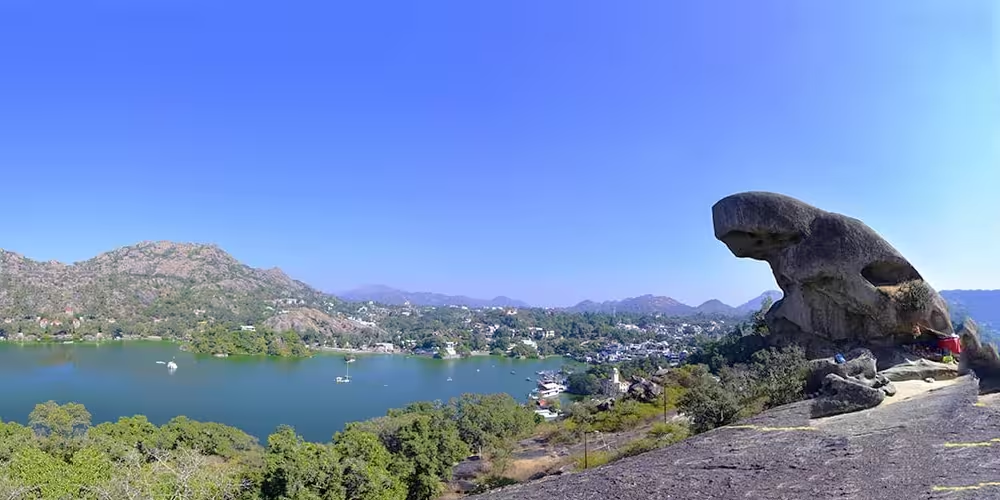
12. Mount Abu, Rajasthan
For anyone in Rajasthan, Mount Abu is a surprise and a relief: a green, cool hill station in the middle of the desert state. It is the only hill station in Rajasthan, sitting on the Aravalli range at about 1,220 m.
Best time to visit: July to September for greenery, and October to March for pleasant weather.
How to get there: Abu Road is the nearest railhead, about 28 km away. From Jaipur it is roughly an 8 to 9 hour drive. Udaipur is the closest airport.
What to do: Visit the Dilwara Jain Temples, famous for their marble carvings and built between the 11th and 13th centuries. Walk around Nakki Lake, climb to Guru Shikhar (the highest point in the Aravallis at about 1,722 m) and catch sunset at Sunset Point.
Local tip: Dilwara has strict visiting hours and a photography ban inside, so check the timings before you go.
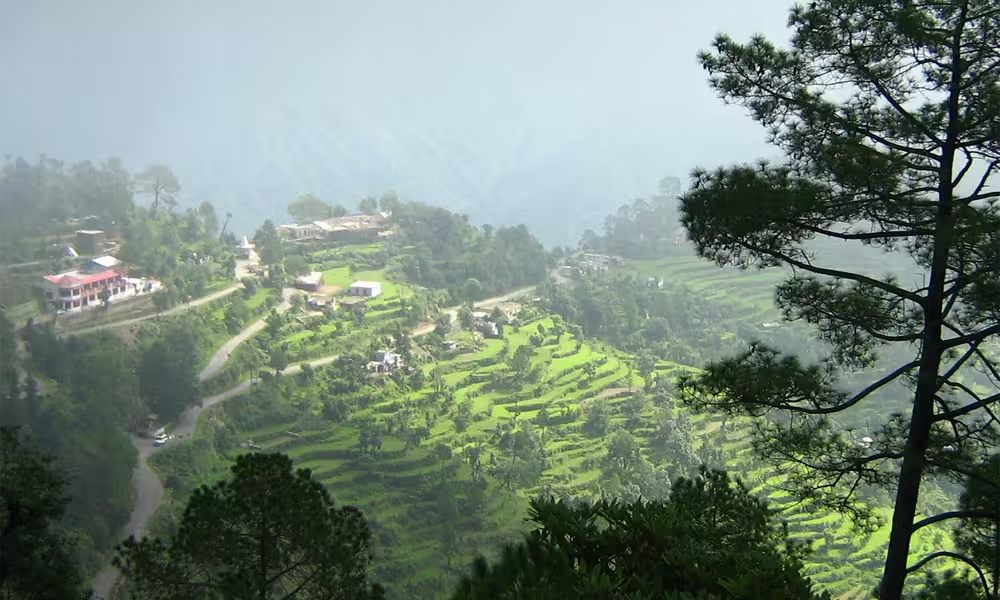
13. Lansdowne, Uttarakhand
Lansdowne is a Garhwal Rifles cantonment town, and that gives it a tidy, unhurried feel. There are no big malls, no loud crowds, just oak and pine forests and misty mornings.
Best time to visit: March to June and September to November.
How to get there: Kotdwar is the nearest railhead at about 40 km. Jolly Grant is the nearest airport.
What to do: Visit Bhulla Lake, Tip-n-Top viewpoint, St. Mary’s Church and the Garhwali Regimental Museum.
Local tip: Mobile networks can be patchy. Download offline maps before you head up.
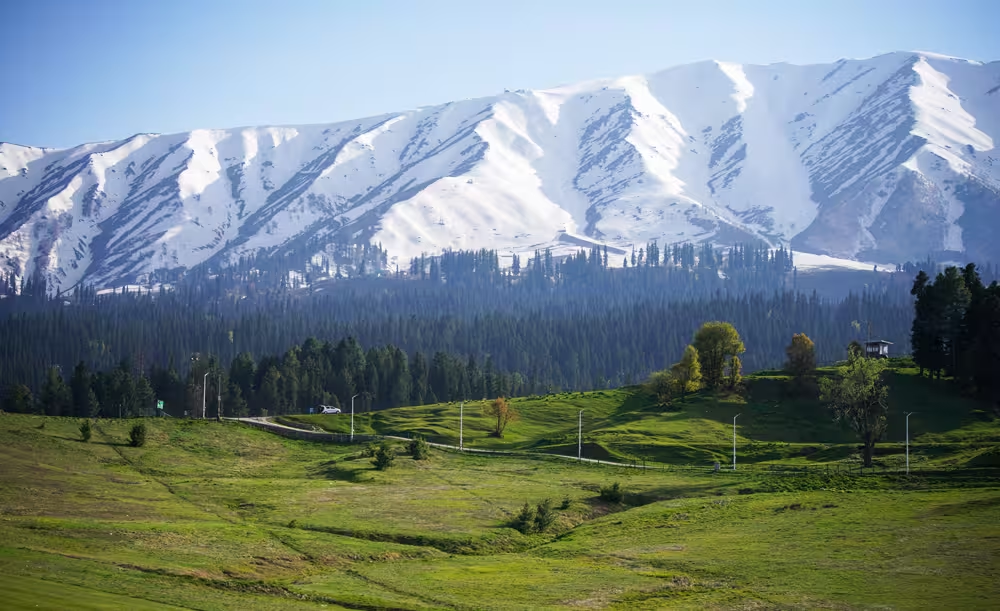
14. Gulmarg, Jammu & Kashmir
Gulmarg means Meadow of Flowers, and in spring that is exactly what it is. In winter it turns into one of India’s best ski destinations. The Gulmarg Gondola is among the highest cable cars in the world, reaching the Apharwat range.
Best time to visit: December to March for snow, and May to September for green meadows.
How to get there: Srinagar is about 50 km away and has an airport and good road links.
What to do: Ride the gondola, ski or snowboard in winter, walk to Alpather Lake in summer and try pony rides across the meadow.
Local tip: Book the gondola in advance in peak season. Check the latest travel advisories for Kashmir before planning, and rely on official sources and your hotel for current conditions.
15. Pahalgam, Jammu & Kashmir
Pahalgam sits beside the Lidder River, surrounded by pine forests and snow peaks. It is also the base for the Amarnath Yatra. Rivers, meadows and valleys are the main attractions rather than a town centre.
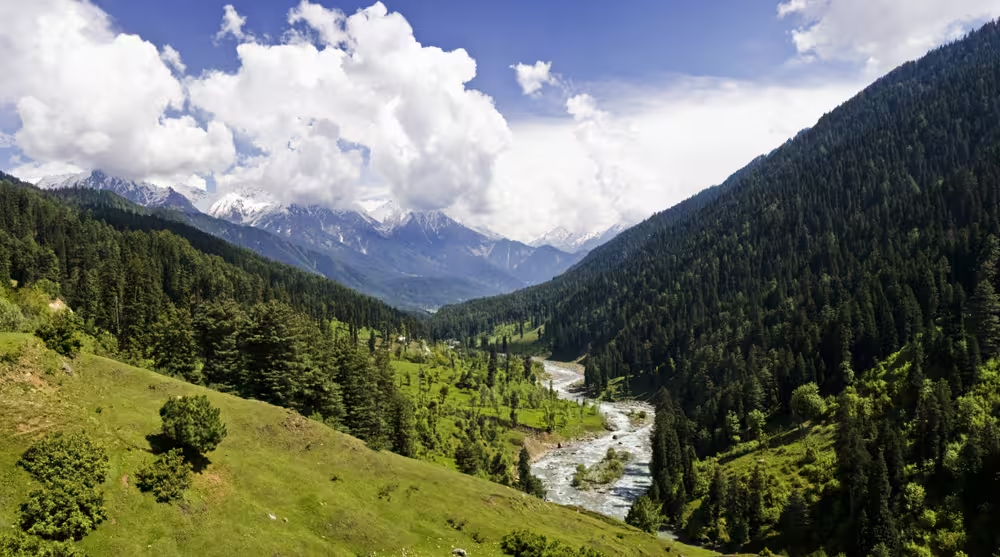
Best time to visit: April to October.
How to get there: About 90 km from Srinagar, a drive of roughly three hours.
What to do: Visit Betaab Valley and Aru Valley, walk along the Lidder, try fly fishing in season and take in the meadows around Baisaran.
Local tip: As in all of Kashmir, check official travel advisories before you go, and confirm the status of individual sites with your hotel or local tourism office.
16. Gangtok, Sikkim
Gangtok is clean, organised and surprisingly cosmopolitan. Sikkim has long been praised for its cleanliness and organic farming, and that feeling extends to the capital. Kangchenjunga looms in the background on clear mornings.
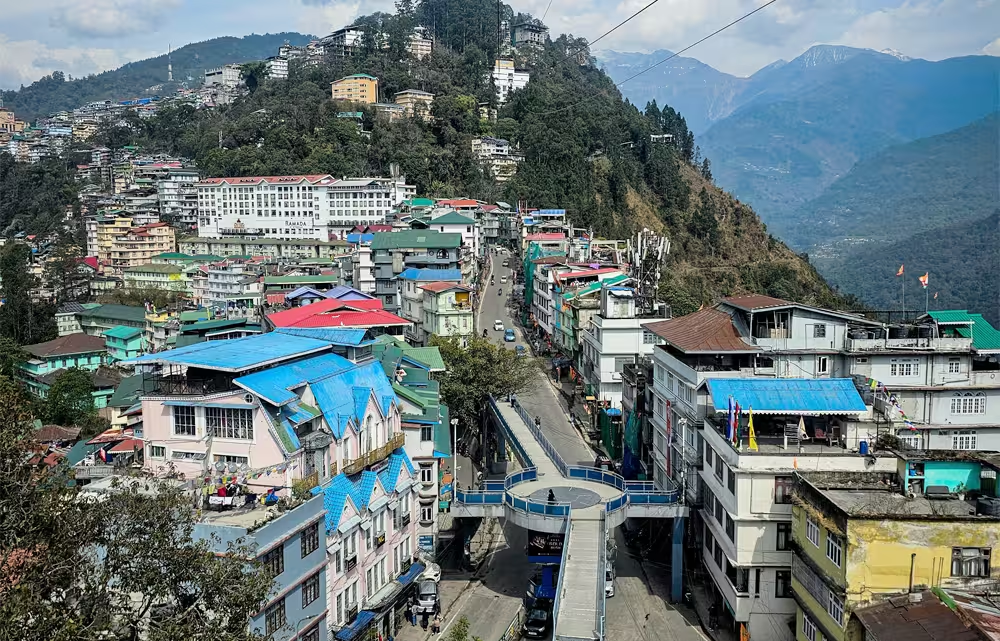
Best time to visit: March to June and October to December.
How to get there: Pakyong Airport is about 30 km away. Bagdogra Airport and NJP are bigger options, around 124 km and 125 km respectively.
What to do: Visit Rumtek Monastery and Enchey Monastery, ride the Gangtok ropeway, walk along MG Marg and take a day trip to Tsomgo (Changu) Lake at roughly 3,800 m. Nathu La Pass, at around 4,310 m, is also accessible with a permit.
Local tip: Permits for Tsomgo Lake and Nathu La are arranged through local operators. Altitude sickness is possible, so go slow and drink plenty of water.
17. Shillong, Meghalaya
Often called the Scotland of the East, Shillong has pine trees, rolling hills, a thriving music scene and a casual, friendly atmosphere. It is also the gateway to some of India’s most dramatic landscapes.
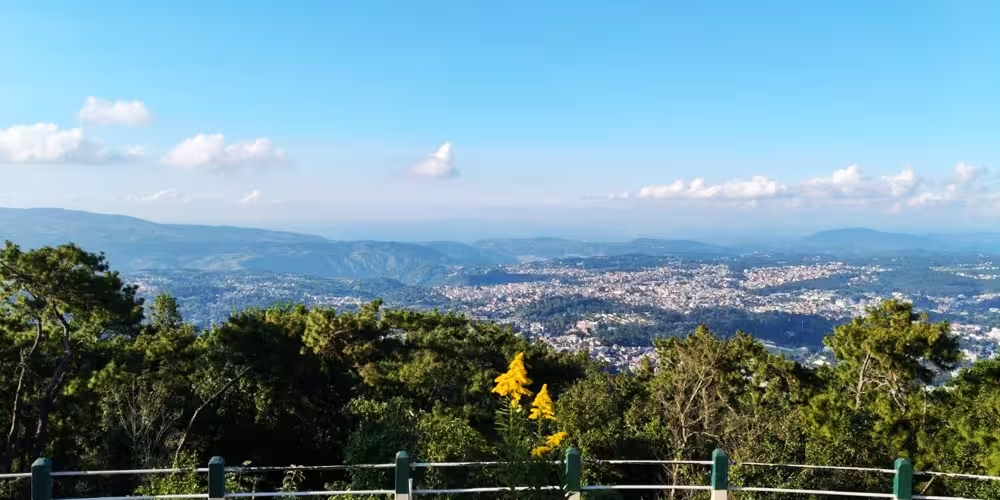
Best time to visit: October to May. Monsoon is wet but spectacular.
How to get there: Guwahati is about 100 km away, with a major airport and railhead. Shillong’s own airport at Umroi has limited flights.
What to do: Visit Umiam Lake, Elephant Falls, Shillong Peak (around 1,965 m), Don Bosco Museum and Ward’s Lake. Take day trips to Cherrapunji, Mawlynnong and Dawki.
Local tip: Rent a car for the day trips. Sohra’s living-root bridges involve long stair descents, so wear proper shoes.
18. Tawang, Arunachal Pradesh
Tawang is raw, remote and unforgettable. At around 3,048 m, it holds Tawang Monastery, the largest monastery in India and one of the biggest in the world, founded in the 17th century. The roads here run through some of the most dramatic mountain scenery in the country.
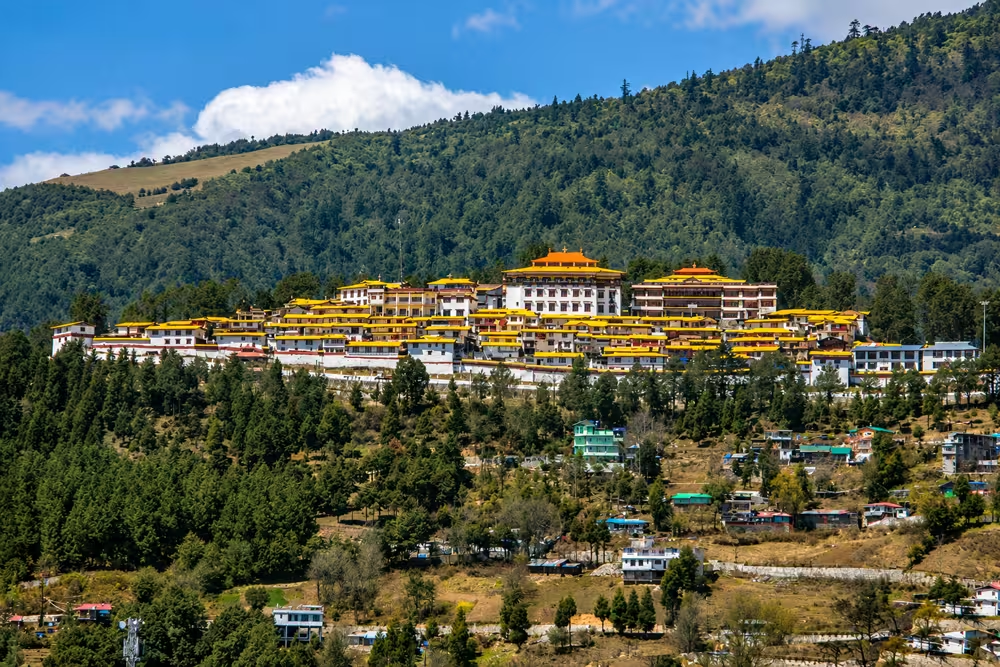
Best time to visit: March to June and September to October.
How to get there: Usually by road from Guwahati (Assam) or Tezpur, a two-day journey with an overnight halt. The nearest airport and railhead are both in Assam.
What to do: Visit Tawang Monastery, cross Sela Pass (around 13,700 ft), see Madhuri Lake and the Nuranang Falls, and visit the War Memorial.
Local tip: Indian citizens need an Inner Line Permit, and foreign nationals need a Protected Area Permit. Check the latest process on the Arunachal Pradesh government’s portal before you travel.
19. Mahabaleshwar, Maharashtra
Mahabaleshwar is the classic Maharashtra hill escape, with red laterite viewpoints, evergreen forests and endless strawberry farms. It is popular with Mumbai and Pune residents, but there are quiet corners if you look.
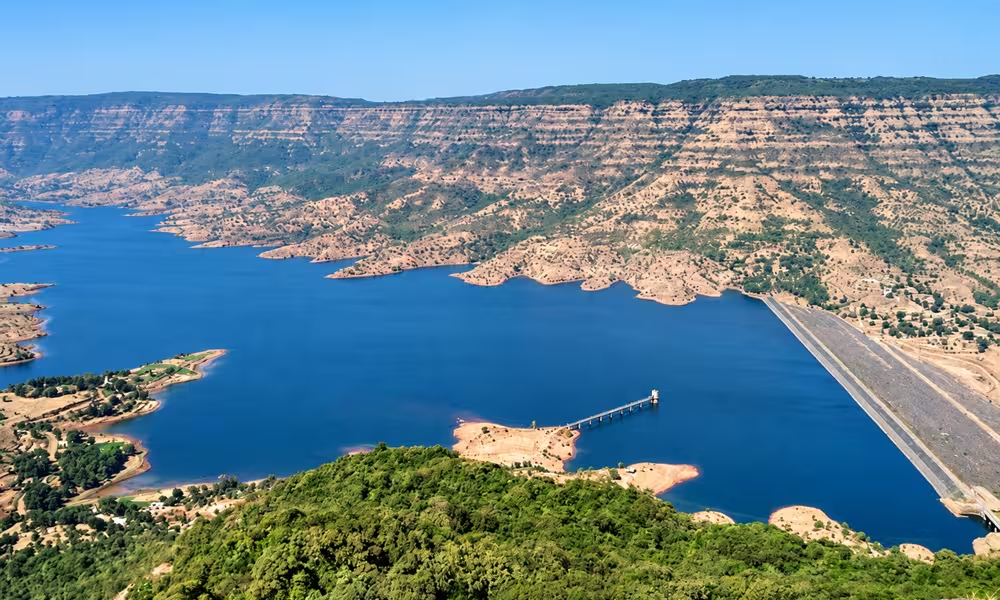
Best time to visit: October to June. Heavy monsoon rains can limit views and sightseeing.
How to get there: Pune is about 120 km away and Mumbai about 260 km. Both have airports and railheads.
What to do: See Arthur’s Seat, Venna Lake, Elephant’s Head Point and Pratapgad Fort. Try fresh strawberries with cream between January and March, which is the peak season.
Local tip: The place is busiest on weekends. Visit Panchgani, close by, for a calmer alternative.
20. Pachmarhi, Madhya Pradesh
Pachmarhi is the only hill station in Madhya Pradesh, nestled in the Satpura range. It is known for its ancient rock shelters, waterfalls and thick forests, and it still feels uncrowded.
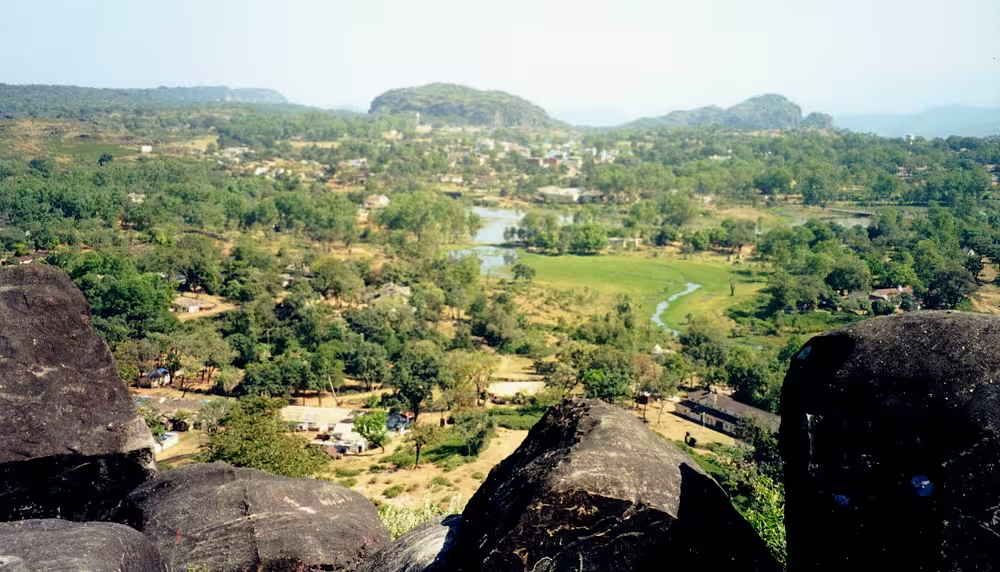
Best time to visit: October to March.
How to get there: Pipariya is the nearest railhead at about 52 km. Bhopal is roughly 200 km away and has the nearest major airport.
What to do: Visit Pandav Caves, Dhupgarh (the highest point in the Satpura range), Bee Falls and Jata Shankar Cave. The surrounding Satpura Tiger Reserve is also nearby for wildlife.
Local tip: Many sites need a short trek or a gypsy ride. Book safaris and permits in advance if you plan to visit the reserve.
How to choose the right hill station for you
Not every hill station suits every traveller. A quick way to narrow it down:
- For a romantic trip: Munnar, Coorg, Darjeeling or Gulmarg.
- For families with kids: Ooty, Mahabaleshwar, Nainital or Mount Abu.
- For a quiet reset: Lansdowne, Kasauli, Pachmarhi or Kodaikanal.
- For culture and spirituality: McLeod Ganj, Gangtok, Tawang or Darjeeling.
- For adventure: Auli, Gulmarg, Shillong or Tawang.
- For a short weekend trip: Mussoorie, Kasauli, Nainital or Mahabaleshwar.
Practical travel tips for any hill trip
- Check road and weather conditions. Mountain roads can close with little notice during monsoon or heavy snow. Local police, state tourism sites and your hotel are your best sources.
- Book early in peak season. April to June and October to November are the busiest times in most places.
- Carry layers. Mountain weather changes fast. A light waterproof jacket is useful almost everywhere.
- Respect local rules and culture. Dress modestly at monasteries and temples, ask before photographing people and carry out your waste.
- Watch for altitude. Above roughly 2,500 m, headaches and nausea can appear. Ascend gradually, stay hydrated and do not ignore symptoms.
- Keep some cash. Not every small town has reliable digital payments or ATMs.
- Choose homestays when you can. They put money directly into local households and often give you a better experience.
Frequently asked questions
- Which is the best hill station in India after Manali and Shimla?
There is no single answer. Darjeeling, Munnar and Mussoorie are the most popular alternatives, while Lansdowne, Kasauli and Pachmarhi are great if you want fewer crowds. - Which hill station is best for a honeymoon?
Munnar, Coorg, Darjeeling and Gulmarg are consistently popular for couples because of scenery, privacy and a wide choice of romantic stays. - Which hill stations get snowfall?
Auli, Gulmarg, Pahalgam, Tawang and parts of Mussoorie, Nainital and Gangtok (higher areas like Tsomgo Lake) can see snow in winter. Conditions vary from year to year. - Which hill station is best near Delhi?
Mussoorie, Nainital, Lansdowne and Kasauli are all within a day’s drive or an overnight train ride. - Which is the best hill station in South India?
Munnar, Ooty, Kodaikanal and Coorg are the favourites, each with a different character. - Are these hill stations safe for solo and women travellers?
Most are widely visited by solo travellers, including women. As anywhere, stay in reputable places, share your itinerary, avoid isolated roads at night and follow local advice.
Final thoughts
A good hill station trip is less about ticking sights and more about slowing down: a cup of tea on a cold balcony, a walk with no plan, a village you did not expect to love. Manali and Shimla will always have their fans, but these 20 places prove that India’s mountains are far bigger than two famous names.
Pick one that fits your season and budget, travel lightly, and leave a little room in the plan for surprises.
Adyan – Travel Writer & Tour Planner
Adyan is a travel enthusiast and tour planner at IndiaTourTravels.com who enjoys exploring destinations and helping travellers plan their journeys. Adyan writes practical travel guides covering India’s hill stations, cultural attractions, sightseeing and travel tips to help readers discover new places and plan memorable trips.
Related to this topic:

Top 15 Hidden Gems in South India You Must Visit in 2026
Best Tourist Places in Munnar You Must Visit