Culture Shock in India: How to Adapt, Enjoy, and Thrive as a Traveler
India rarely gives travelers a “soft landing.”
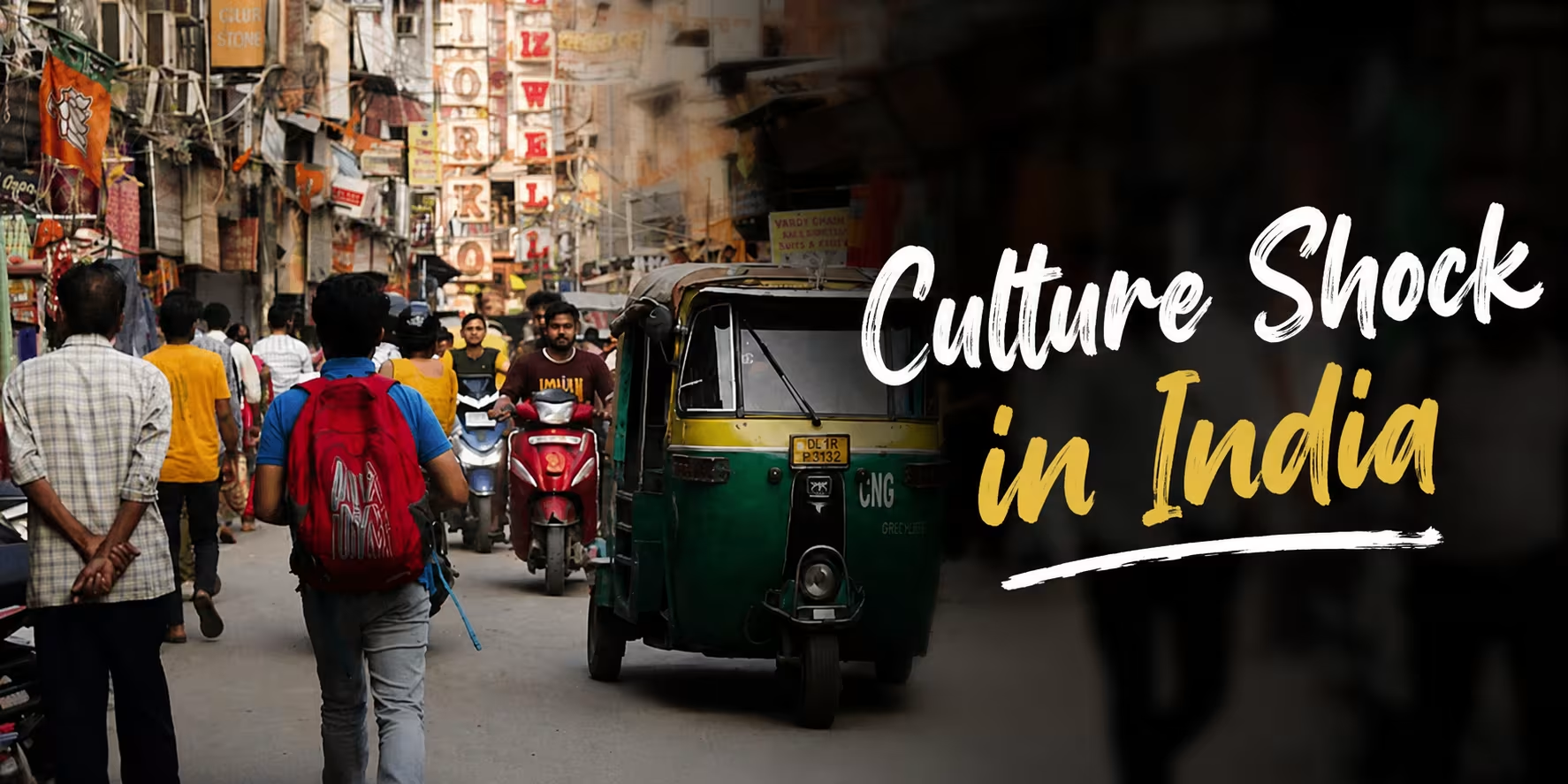
The moment you step outside the airport, your senses go into overdrive. Honking traffic flows like organized chaos. Street vendors call out from every direction. The smell of spices, incense, diesel, and chai fills the air all at once. Sacred cows walk casually past luxury cars. A wedding procession blocks traffic while drums echo through the street.
For some travelers, it feels exhilarating. For others, completely overwhelming.
That feeling has a name: culture shock.
And in India, it’s incredibly common — even among experienced travelers.
But here’s the surprising part: the travelers who initially struggle the most with India are often the ones who fall in love with it the hardest later on. Once you stop trying to compare India to home and start experiencing it on its own terms, the country becomes deeply rewarding.
This guide explains what culture shock in India actually feels like, why it happens, and how to adapt so you can enjoy the journey instead of feeling exhausted by it.
What Is Culture Shock?
Culture shock happens when you enter an environment that feels dramatically different from what you’re used to.
In India, those differences can include:
- Crowded public spaces
- Constant noise
- Different personal boundaries
- Food and hygiene habits
- Traffic and transportation systems
- Religious traditions
- Communication styles
- Climate and pollution
- Pace of daily life
For many first-time visitors, India feels intense because everything happens simultaneously.
Unlike destinations that gradually ease travelers into a new culture, India often immerses you immediately.
Why India Feels So Overwhelming at First
Sensory Overload Is Real
India stimulates every sense at once.
One minute you’re drinking masala chai beside a peaceful temple. The next, you’re weaving through auto-rickshaws, scooters, cows, and hundreds of pedestrians crossing the same road.
Large cities like Delhi, Mumbai, Kolkata, and Bangalore can feel especially chaotic for newcomers.
Common first reactions include:
- “Why is everyone honking?”
- “How do people cross these roads?”
- “Why is everything so crowded?”
- “Why are strangers staring at me?”
These reactions are completely normal.
The key is understanding that what feels chaotic at first usually begins making sense after a few days.
The Different Stages of Culture Shock in India
Most travelers experience culture shock in phases.
Stage 1: Excitement and Curiosity
Everything feels fascinating:
- The colors
- The food
- The markets
- The temples
- The energy
This is often the “honeymoon phase” of travel.
Stage 2: Frustration and Exhaustion
Then reality hits.
You may feel:
- Tired from constant stimulation
- Frustrated by traffic or delays
- Drained by bargaining
- Irritated by noise
- Lonely or emotionally overwhelmed
Many travelers experience this around days 3–7.
Stage 3: Adjustment
Eventually, small things become easier:
- Crossing roads
- Ordering food
- Navigating transport
- Understanding local behavior
Your confidence slowly grows.
Stage 4: Appreciation
At some point, India stops feeling chaotic and starts feeling alive.
The same street noise that once stressed you out begins sounding strangely familiar. Daily interactions become meaningful instead of exhausting.
This is usually when travelers truly start enjoying India.
How to Adapt to Culture Shock in India
Slow Down Your Itinerary
One of the biggest mistakes travelers make is trying to “see all of India” too quickly.
India is not a country that rewards rushed travel.
Instead of visiting:
- Delhi
- Jaipur
- Agra
- Mumbai
- Goa
- Kerala
…all within ten days, slow down and spend more time in fewer places.
A slower pace helps your brain adjust naturally.
Start With Easier Destinations
Some regions are gentler introductions to India than others.
Good places for first-time travelers:
- Kerala
- Goa
- Rishikesh
- Pondicherry
- Himachal Pradesh
- Udaipur
These destinations are calmer, easier to navigate, and generally less overwhelming than mega-cities.
Accept That Things Work Differently
India operates with a different rhythm.
Trains may run late. Traffic may not follow obvious rules. Queues sometimes look disorganized. Personal space expectations differ from Western countries.
The sooner travelers stop expecting things to work “back home style,” the less stressful the experience becomes.
Flexibility matters more than perfect planning.
Dealing With Crowds and Personal Space
Crowds are one of the biggest culture shocks in India.
In busy places:
- People may stand very close
- Public transport gets crowded
- Strangers may ask personal questions
- Locals may request photos with foreigners
This curiosity is usually harmless, especially outside major tourist scams.
Helpful mindset shift:
Most people are not trying to invade your privacy — they’re simply curious.
Still, boundaries are important. A polite but firm “no” works perfectly when needed.
Understanding Indian Communication Style
Communication in India can feel more direct, persistent, or emotionally expressive than some travelers expect.
For example:
- Vendors may repeatedly invite you into shops
- Locals may ask personal questions
- Negotiation is common in markets
- “Yes” sometimes means “maybe”
This is usually cultural rather than rude.
Patience and humor help enormously.
Food Culture: Enjoy It Without Getting Sick
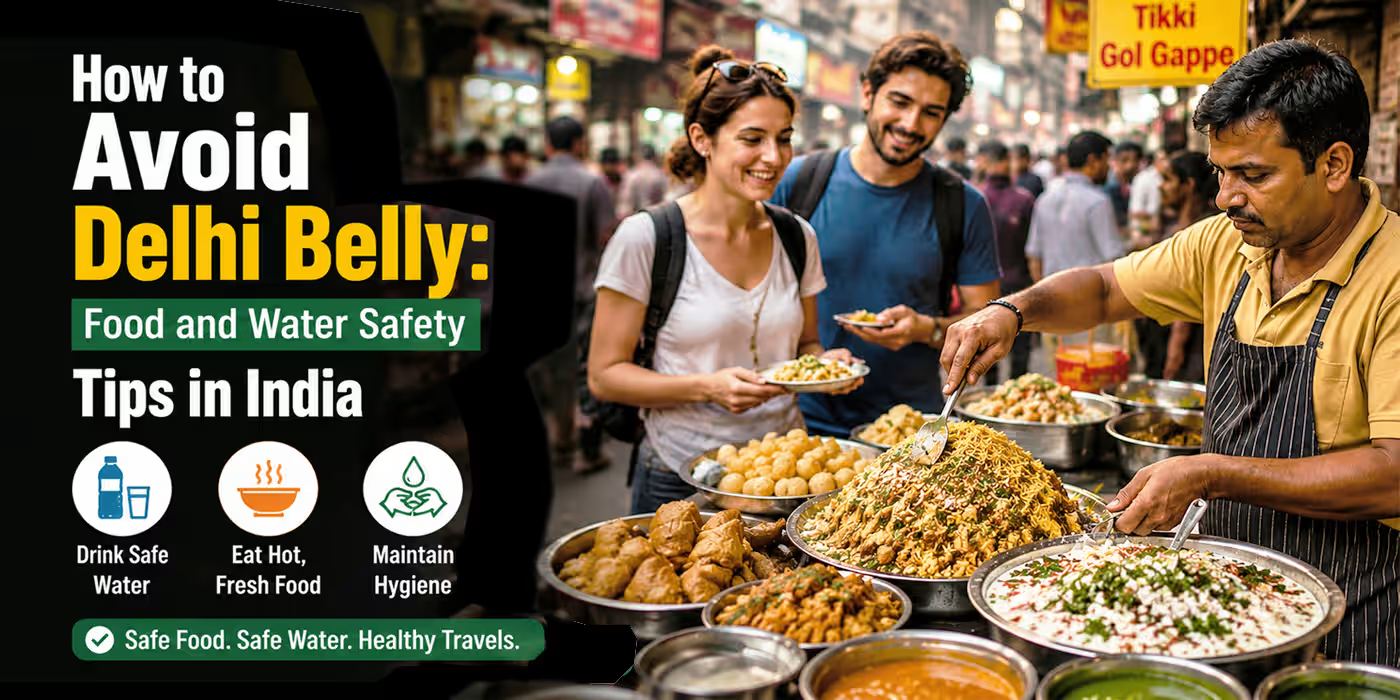
Indian food is one of the greatest parts of the travel experience, but food-related anxiety contributes heavily to culture shock.
Smart food habits:
- Eat freshly cooked meals
- Start slowly with spicy food
- Drink bottled or filtered water
- Avoid raw salads initially
- Carry basic stomach medication
Street food can be incredible — just choose busy stalls with high turnover.
How to Mentally Handle India’s Intensity
Take Breaks Without Guilt
Even experienced travelers need occasional quiet time in India.
A few simple resets can help:
- Spend an afternoon at a café
- Stay in a comfortable hotel occasionally
- Take nature breaks between cities
- Schedule slower travel days
You do not need to be “on” every moment.
Stop Comparing Everything to Home
India becomes much easier when you stop measuring it against your own culture.
Instead of asking:
|“Why is this different?”
Try asking:
|“How does this system make sense here?”
That small mental shift changes the entire travel experience.
Culture Shock for Solo Female Travelers
Women travelers sometimes experience additional adjustment challenges in India.
Common experiences include:
- Extra attention in public
- Staring
- Questions from strangers
- Conservative social expectations in some regions
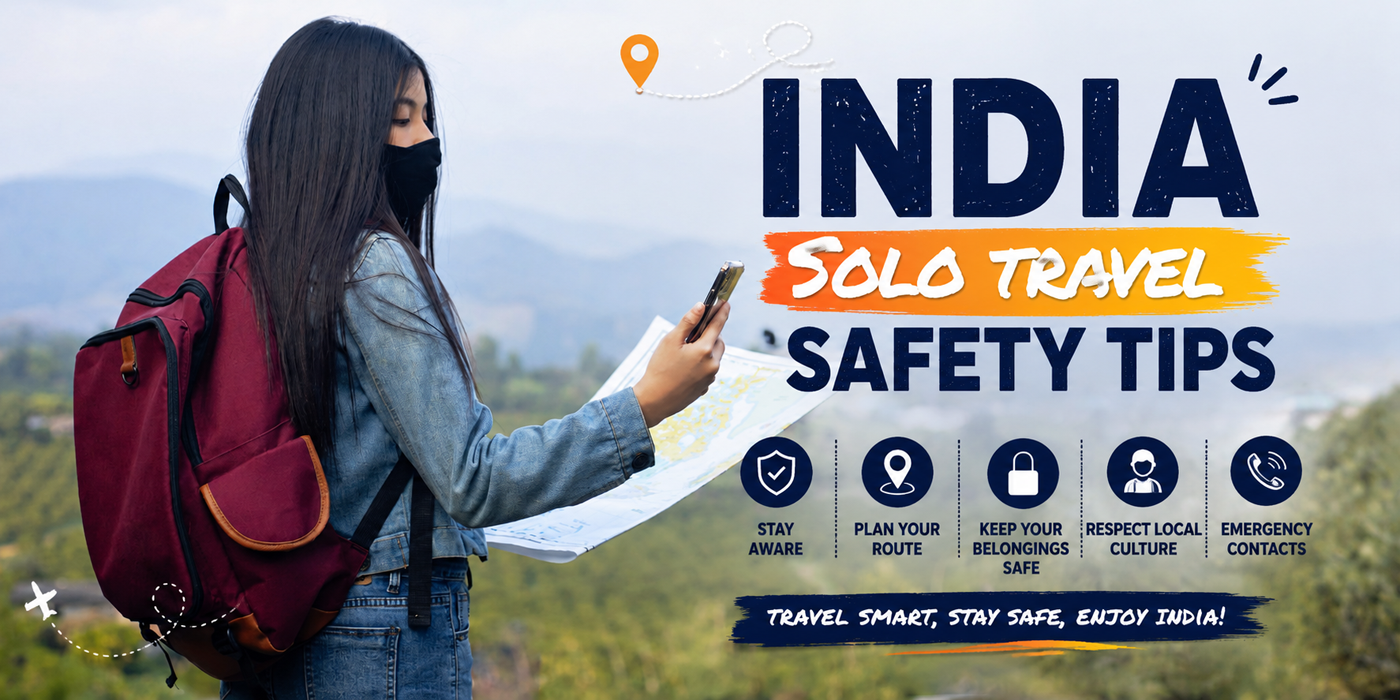
This does not mean India is impossible for solo women travelers — far from it. Thousands travel safely across the country every year.
Helpful tips for solo women travelers:
- Dress modestly in conservative areas
- Use trusted transportation apps
- Stay aware at night
- Book accommodations with strong reviews
- Trust your instincts
Many solo women describe India as challenging but incredibly empowering.
The Positive Side of Culture Shock
Culture shock isn’t always negative.
In fact, it’s often the beginning of deeper travel experiences.
India challenges assumptions about:
- Time
- Family
- Religion
- Hospitality
- Community
- Daily life
You may arrive expecting only monuments and sightseeing but leave with a completely different understanding of human connection and resilience.
That emotional impact is part of what makes India unforgettable.
People Also Ask
Is culture shock normal in India?
Yes, culture shock is extremely common in India, especially for first-time visitors. The country’s crowds, pace, sensory intensity, and cultural differences can feel overwhelming initially.
How long does it take to adjust to India?
Most travelers begin adjusting after a few days to one week. Slower travel and realistic expectations help significantly.
Which part of India is easiest for first-time travelers?
South India, Kerala, Goa, and Himalayan destinations like Rishikesh are often easier introductions than large metropolitan cities.
Why do tourists feel overwhelmed in India?
Tourists often experience sensory overload from crowds, traffic, noise, unfamiliar customs, and constant activity.
How can I enjoy India more as a traveler?
Travel slowly, stay flexible, avoid overplanning, take breaks when needed, and approach cultural differences with curiosity instead of frustration.
Practical Tips to Reduce Culture Shock in India
Before and during your trip:
- Arrive with realistic expectations
- Plan rest days
- Book your first hotel carefully
- Carry earplugs for noisy cities
- Use ride-sharing apps
- Learn basic cultural etiquette
- Stay hydrated
- Keep an open mind
Most importantly, allow yourself time to adapt.
Final Thoughts
India is not always comfortable — and that’s precisely why it changes people.
The country pushes travelers outside their routines and expectations. Some moments will feel magical; others may feel exhausting. But somewhere between the crowded bazaars, peaceful temples, train journeys, rooftop cafés, and spontaneous conversations, India starts making emotional sense in a way few places do.
Culture shock in India is not a sign you’re failing as a traveler. It’s often proof that you’re experiencing something genuinely different.
And once you learn to flow with India instead of resisting it, the experience becomes far more rewarding than you ever expected.